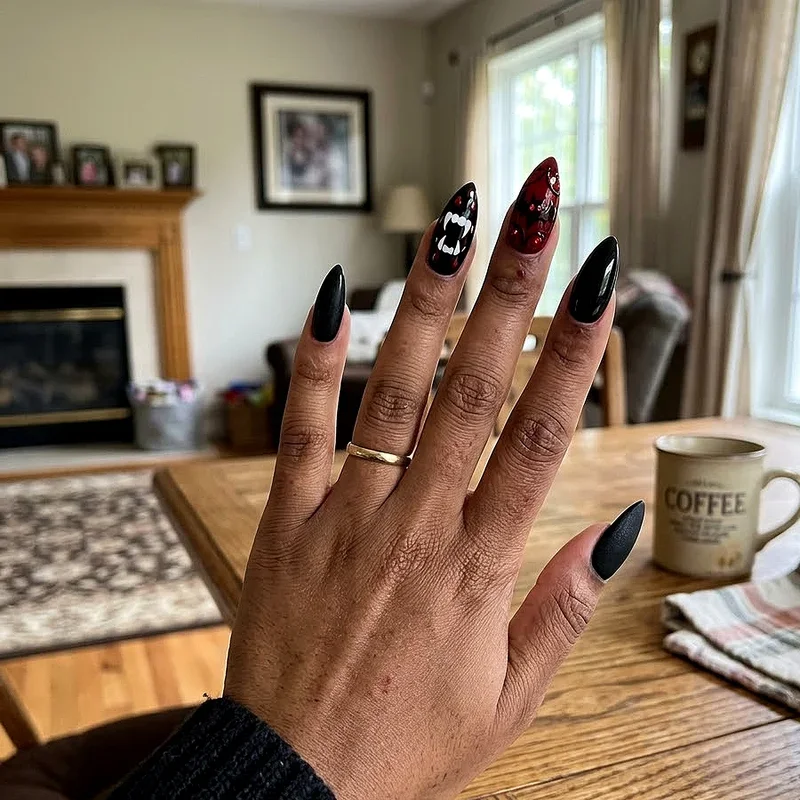
What Are Nail Enhancements? Types Explained
Curious about nail enhancements? Discover every type, how they work, and which one suits your lifestyle best in this complete guide.
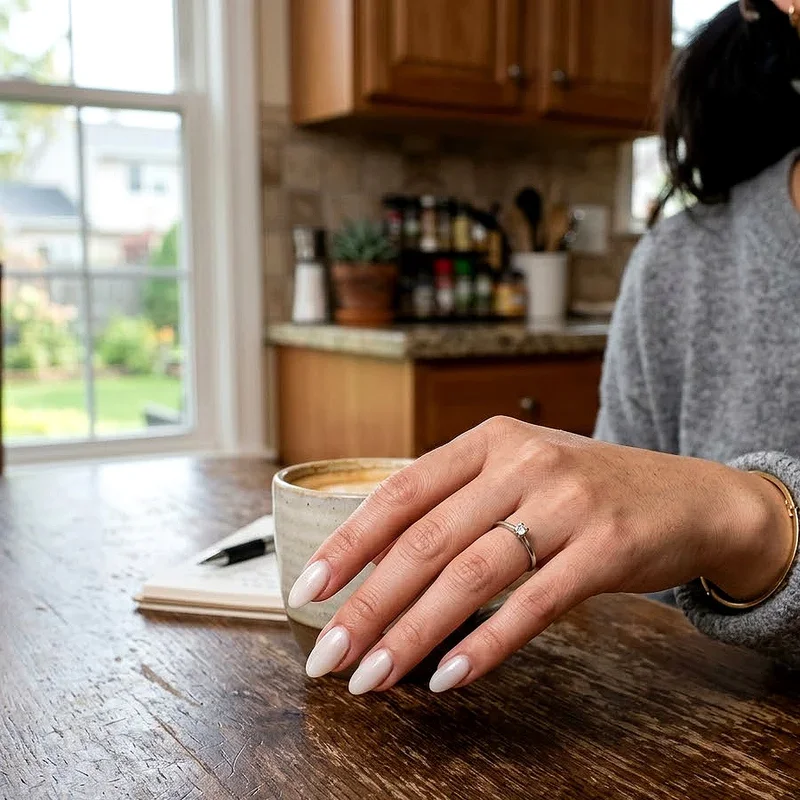
Let's be real, nails have become so much more than just a beauty afterthought. Walk into any salon today, and you'll find yourself staring at a dizzying menu of options that go way beyond a simple coat of polish. So, what are nail enhancements? Types explained in detail can help you figure out exactly what you're signing up for before you sit down in that salon chair. Whether you're chasing length, durability, or just a little extra glam, there's genuinely something out there for everyone. Nail enhancements have exploded in popularity over the past decade, and honestly, it's not hard to see why. They last longer, look polished (pun intended), and give you that magazine-worthy finish that regular nail polish simply can't deliver on its own.
What Are Nail Enhancements? Types Explained in Full
At their core, nail enhancements are products applied to natural nails to add length, strength, shape, or all three at once. They're not the same as nail polish, which sits on the surface and peels off on its own. Enhancements bond to the nail or form a hard structure over it, which is exactly why they last so much longer and can handle the rough-and-tumble of daily life.
Nail technicians use a range of materials, application methods, and finishing techniques to create enhancements. The most common categories you'll encounter include acrylic nails, gel nails, dip powder, nail wraps, fiberglass extensions, and press-on nails. Each of these has its own personality, so to speak, and understanding what sets them apart is key to making a choice you won't regret.
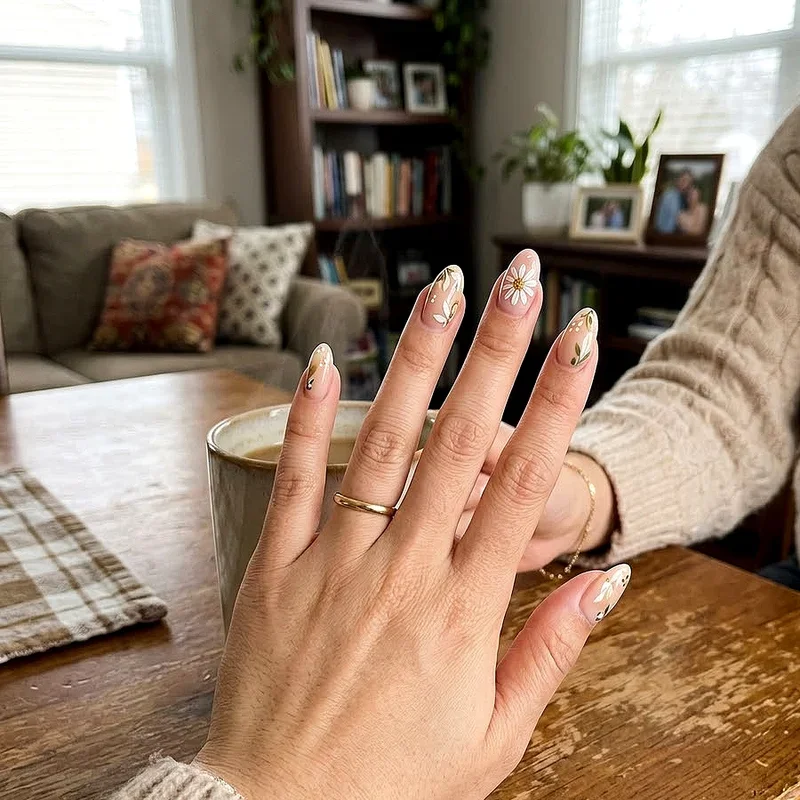
Acrylic Nails: The Old Faithful of Nail Enhancements
If nail enhancements had a hall of fame, acrylic nails would absolutely be in it. They've been around since the 1970s, and they're still one of the most requested services in salons worldwide. So, what's the deal with them?
Acrylics are created by combining a liquid monomer with a powder polymer to form a paste-like mixture. The technician applies this mixture over the natural nail or a nail form (a stencil that extends beyond the fingertip), shapes it, and then lets it air-dry and harden. Once set, it's sanded down, buffed, and finished with polish or gel color.
The benefits of acrylic nails are hard to argue with:
They're incredibly durable and resistant to chipping.
They can be sculpted into virtually any shape, from classic oval to dramatic stiletto.
They're easy to fill every two to three weeks as the natural nail grows out.
They tend to be more affordable than some newer options.
The downside? They can feel a bit thick, and the removal process involves soaking in acetone, which can weaken natural nails if done too frequently. The application also involves fumes from the monomer liquid, so ventilation in the salon matters.
Gel Nails: The Flexible, Glossy Favorite
Gel nails came along and shook things up in the best possible way. They're made from a gel-based formula that's cured under a UV or LED lamp, which is what gives them their signature hard, glossy finish. There are two main types of gel enhancements you'll come across: hard gels and soft gels (also called gel polish or shellac).
Hard Gel
Hard gel is used to build length or add structure to the nail, similar to acrylic. It's a bit more flexible than acrylic, which makes it less prone to cracking. Hard gel can't be soaked off, it has to be filed down, which is worth knowing before you commit. Nail artists love it for nail art because it holds fine details beautifully.
Soft Gel / Gel Polish
Soft gel, on the other hand, isn't really an enhancement in the traditional sense. It doesn't add significant length or strength, but it gives a chip-free, high-shine finish that lasts two to three weeks without any touch-ups. It soaks off with acetone in about 10 to 15 minutes, making removal much gentler than filing. Brands like OPI GelColor, Gelish, and CND Shellac fall into this category.
Overall, gel nails tend to look more natural and feel lighter on the nail than acrylics. They're a great fit for people who want longevity without too much bulk.
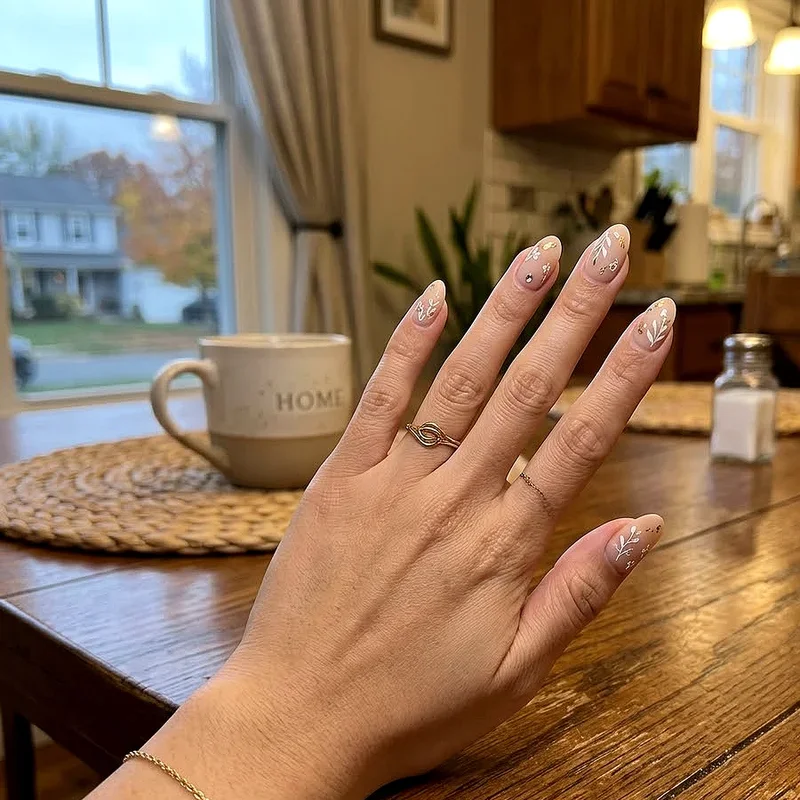
Dip Powder Nails: The Low-Odor Newcomer
Dip powder nails have had quite the glow-up in recent years. The process goes something like this: a bonding agent is brushed onto the nail, then the finger is dipped into a jar of colored acrylic powder (hence the name). This process is repeated a few times to build up layers, and a sealant is applied on top to lock everything in.
What makes dip powder stand out from the crowd? Well, for starters, there's no UV lamp required, unlike gel. The formula bonds through a chemical reaction with the activator, not light. That's appealing to people who want to minimize UV exposure during their nail appointments.
Here's what dip powder fans love about it:
No strong odor compared to traditional acrylics.
Can last up to four weeks without chipping.
Tends to feel lighter and more natural than acrylic.
Comes in hundreds of colors right out of the jar.
There is a hygiene concern worth mentioning, though. If a salon is dipping multiple clients' fingers directly into the same jar of powder, that's a sanitation red flag. Reputable salons should pour powder over the nail instead.
Nail Wraps and Fiberglass Extensions: For the Sensitive Nail Type
Not everyone's nails are up for the heavy-duty chemical processes involved in acrylics or gels. That's where nail wraps and fiberglass extensions come in, especially handy for those with thin, brittle, or damaged nails.
Nail Wraps
Nail wraps are thin layers of fabric (silk or linen, usually) that are glued over the natural nail to reinforce it. They don't add much length but they do provide serious structural support. Think of them as a splint for your nail, they hold everything together while your natural nail grows and heals.
Fiberglass Extensions
Fiberglass extensions take things a step further by using a fiberglass mesh that's applied over the nail and sealed with a resin. They're incredibly lightweight and translucent, which makes them a dream for natural-looking nails. They don't handle heavy wear quite as well as acrylics, but for everyday use, they're a gentle and effective option.
Press-On Nails: The DIY Queen's Best Friend
Okay, don't sleep on press-ons, seriously. The press-on nails of 2024 and beyond are not your middle school stick-ons. They've evolved into salon-quality, custom-shaped, hand-painted masterpieces that can last up to two weeks with the right glue and prep work.
Press-ons are applied using nail adhesive tabs or nail glue, and they're available in virtually every shape, length, and design imaginable. Brands like Static Nails, Glamnetic, and Kiss Impress have raised the bar significantly. They're also incredibly budget-friendly compared to salon appointments.
The main limitation is longevity and fit. If you're not using the right size or proper adhesive, they can pop off earlier than expected. But for special occasions, travel, or just a quick nail refresh, press-ons are genuinely hard to beat.
Polygel Nails: The Best of Both Worlds
Polygel is a relatively newer innovation that combines the best qualities of acrylic and gel into one product. It comes in a tube and has a clay-like consistency that makes it easy to mold without dripping or running. It cures under a UV or LED lamp like gel, but it's as strong as acrylic.
Polygel is odorless, lightweight, and doesn't heat up during curing the way some gel products do. It's also non-porous, meaning it's less likely to harbor bacteria or lift. Nail artists love it because it's forgiving and easy to work with, especially for intricate nail art. It is pricier than acrylic and requires some skill to apply correctly, so it's mostly a salon-service option.
How to Choose the Right Type of Nail Enhancement for You
Choosing the right enhancement honestly comes down to a handful of factors: your lifestyle, your nail health, your budget, and how much maintenance you're willing to commit to. Here's a quick breakdown to help you figure it out:
1. Active lifestyle or works with hands: Go for acrylics or hard gel. They can take a beating.
2. Sensitive to chemicals or fumes: Dip powder or polygel are your best bets.
3. Natural look lover: Gel polish, fiberglass, or polygel will keep things looking close to your real nails.
4. Budget-conscious: Press-ons or acrylics are the most affordable long-term options.
5. Damaged or thin nails: Nail wraps or fiberglass give support without overwhelming a delicate nail.
It's also worth having a chat with your nail technician about your nail health before committing to anything. A good tech will assess the condition of your natural nails and steer you toward the most suitable option.
What Are Nail Enhancements? Types Explained and Their Removal Process
Here's something people don't always think about upfront but absolutely should: how does the enhancement come off? Removal matters just as much as application, especially if you want to keep your natural nails in good shape.
Acrylic nails: Soak in acetone for 20 to 30 minutes, then gently push off the softened product.
Soft gel / gel polish: Soak in acetone for 10 to 15 minutes, then wrap or use foil clips.
Hard gel: Must be filed down, cannot be soaked off due to its dense structure.
Dip powder: Soak in acetone similar to gel polish.
Polygel: Can be soaked or filed depending on the brand and thickness.
Press-ons: Soak in warm soapy water or use a gentle pry tool; no harsh chemicals needed.
Never, ever just peel or yank off any nail enhancement. Doing so tears off layers of the natural nail plate, leaving it thin, weak, and prone to breakage. Take the time to do it right, or better yet, have a professional handle it.
Nail Enhancement Aftercare Tips You Shouldn't Skip
Taking care of your enhancements is just as important as the application itself. A little bit of TLC goes a long way in extending their lifespan and keeping your natural nails healthy underneath.
Moisturize your cuticles daily with cuticle oil to keep the nail bed healthy.
Wear gloves when cleaning or washing dishes to protect from harsh chemicals.
Avoid using your nails as tools (no prying open cans or packages).
Book your fill or maintenance appointment every two to three weeks to prevent lifting.
If a nail breaks or lifts, don't try to fix it yourself with random glue, visit the salon.
Conclusion
Well, there you have it! From the tried-and-true acrylic to the innovative polygel, nail enhancements have truly come a long way. Knowing what are nail enhancements, types explained in this guide, puts you in the driver's seat when it comes to your nail care routine. Whether you're after durability, a natural look, budget-friendliness, or just a quick fix for a special occasion, there's an option that fits your life. Take care of your nails, choose wisely, and enjoy every last bit of that freshly-done feeling.
Read next: 15 Stiletto Nail Ideas That Are Sleek and Stylish
FAQs
Q1. Are nail enhancements safe for natural nails?
A: Yes, when applied and removed properly, nail enhancements are generally safe for natural nails.
Q2. How long do nail enhancements typically last?
A: Most nail enhancements last two to four weeks depending on the type and aftercare.
Q3. Which nail enhancement type is the least damaging?
A: Gel polish and fiberglass are considered among the gentlest options available today.
Q4. Can I get nail enhancements if my nails are damaged?
A: Yes, nail wraps or fiberglass extensions work well on brittle or recovering natural nails.
Q5. Is it okay to do nail enhancements at home?
A: Press-ons and gel kits are beginner-friendly; however, professional application is always recommended.
Stay up to date with our latest ideas!