How Long Should You Wait Between Nail Polish Coats
Discover how long should you wait between nail polish coats for flawless, chip-free nails that last longer and look salon perfect.
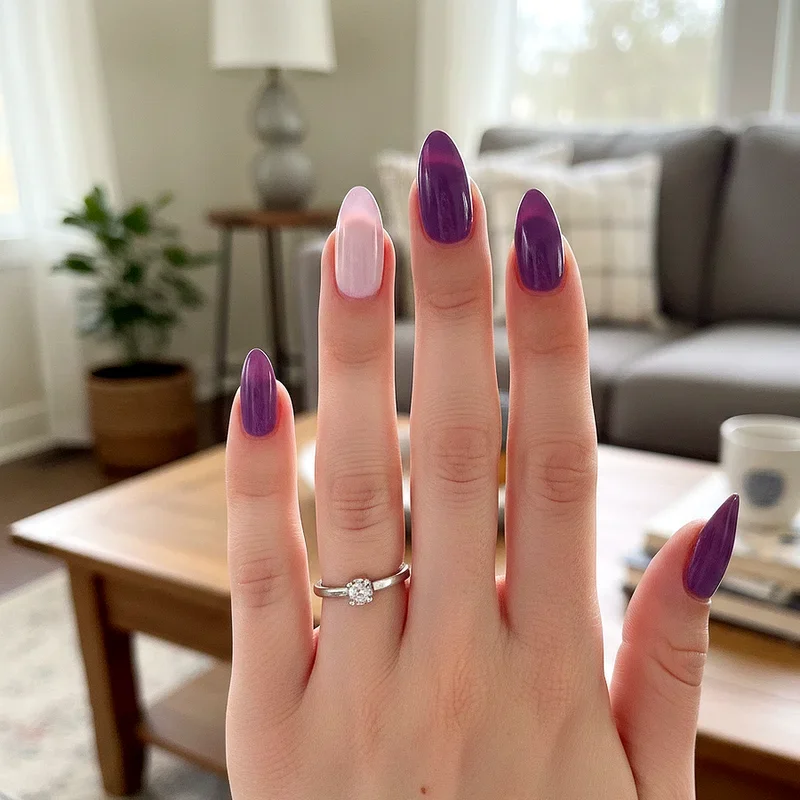
Ever painted your nails only to watch them turn into a smudged mess five minutes later? Yeah, we have all been there. The culprit is usually impatience, and honestly, who can blame you when you have got places to be? But here is the thing, knowing how long should you wait between nail polish coats can make the difference between a professional looking manicure and a sticky disaster you will want to redo by tomorrow morning. Getting your timing right is not rocket science, but it does require a little know how and a whole lot of patience. Whether you are a seasoned nail art enthusiast or someone who just wants their polish to actually stay put for once, understanding the drying process is absolutely essential.
Why Timing Matters When Applying Nail Polish
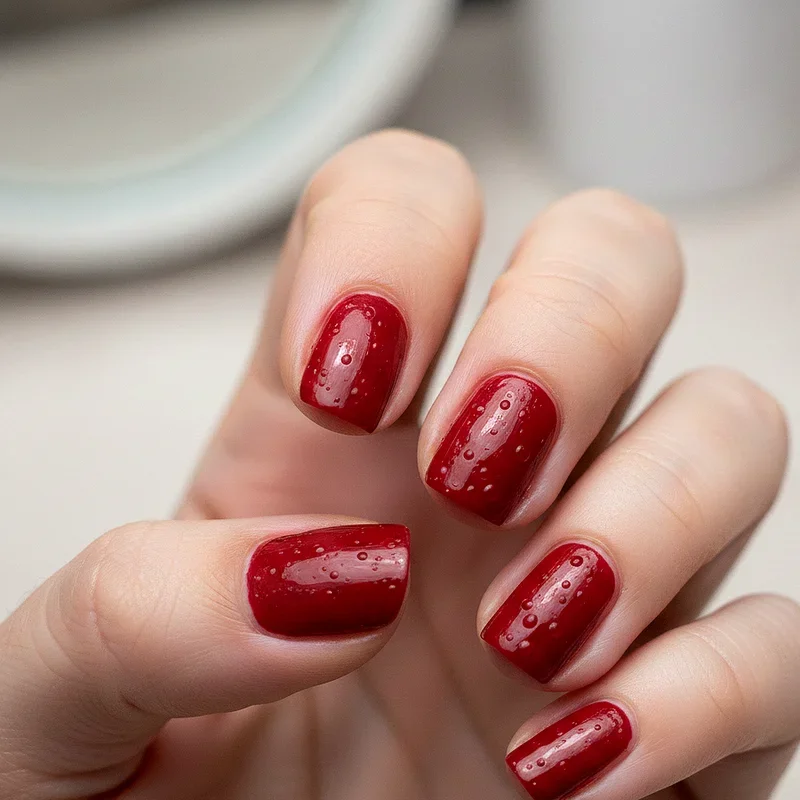
Here is the deal. Nail polish might look dry on the surface, but underneath that shiny exterior, things are still a bit gooey. When you slap on another coat too quickly, you are essentially trapping moisture and solvents between layers. What happens next is not pretty. You end up with bubbles, smudges, and polish that peels off faster than you can say chip resistant.
Think of it like baking a cake. You would not frost it while it is still hot, right? The same logic applies to your nails. Each layer needs its moment to set properly before you add the next one. Rushing this process might save you a few minutes now, but it will cost you hours of touch ups later. Plus, properly dried layers actually bond better together, giving you a manicure that can withstand daily wear and tear.
The chemistry behind nail polish is fascinating when you think about it. Those tiny bottles contain a mixture of film forming agents, resins, and solvents that all need to evaporate at just the right pace. Interrupting this process creates weak spots in your manicure, and nobody wants that.
How Long Should You Wait Between Nail Polish Coats for Best Results
Alright, let us get down to brass tacks. The general rule of thumb is waiting about two to three minutes between each coat of regular nail polish. Sounds simple enough, does it not? But hold on, because this is just a starting point.
Several factors can influence your actual drying time. Humidity plays a sneaky role in how quickly your polish sets. On muggy days, you might need to tack on an extra minute or two. Temperature matters too. Cooler rooms tend to slow down the drying process, while warmer environments can speed things up a bit.
The thickness of your coats is another game changer. Thin, even layers dry significantly faster than thick, gloopy ones. If you are heavy handed with your application, you could be looking at five minutes or more between coats. Trust us, thinner is always better when it comes to nail polish application.
The Base Coat Waiting Game
Your base coat is the foundation of a killer manicure, so do not skimp on the drying time here. Most base coats need about one to two minutes to become touch dry. Some quick dry formulas can cut this down to under a minute, but when in doubt, give it a little extra time.
A properly dried base coat creates a smooth canvas for your color and helps prevent staining on your natural nails. It also improves adhesion, which means your manicure will last longer. Skipping this step or rushing through it is like building a house on shaky ground. Sure, it might look okay at first, but problems will show up eventually.
One trick that works wonders is applying your base coat to one hand, then switching to the other. By the time you finish the second hand, the first one is usually ready for color. This little hack keeps things moving without compromising quality.
Color Coat Timing Secrets
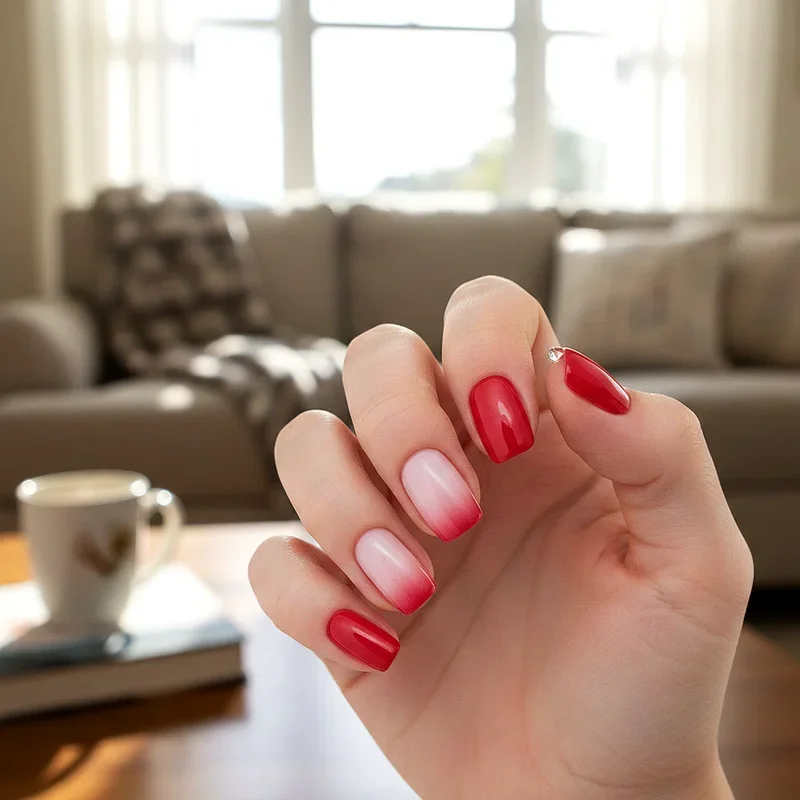
Here is where patience really pays off. Your color coats typically need that two to three minute window we mentioned earlier. But honestly, pushing it closer to three minutes never hurt anybody. The color layers are usually the thickest part of your manicure, so they need adequate time to set.
When applying multiple color coats, consistency is key. Try to maintain the same thickness with each layer for even drying. If your first coat goes on thin and your second coat goes on thick, you are setting yourself up for uneven drying and potential peeling.
Darker shades and certain pigment heavy polishes may require slightly longer drying times. Glitters and shimmers fall into this category too. Those sparkly particles add texture and bulk, which means more waiting. Is it annoying? A little. Is it worth it? Absolutely.
Top Coat Application and Drying
The top coat is your manicures suit of armor, and rushing it would be a crying shame. Give your final color coat at least three minutes before sealing the deal. This ensures everything underneath has set enough to handle the pressure of another layer without smudging.
Quick dry top coats have become wildly popular for good reason. They can reduce your overall drying time dramatically while adding shine and protection. However, even these speedy formulas work best when applied over properly dried color coats. They are not miracle workers, and applying them too soon can still cause problems.
After applying your top coat, the real waiting begins. Most manicures need a solid thirty minutes to an hour before they are truly set. Sure, they might feel dry to the touch after ten minutes, but the layers underneath are still vulnerable. Plan accordingly and avoid activities that could ruin your hard work.
Signs Your Polish is Ready for the Next Coat
Knowing when your polish is actually ready can save you from costly mistakes. A properly dried layer should feel smooth and slightly tacky to a gentle touch. Notice we said gentle. Pressing too hard will leave fingerprints regardless of drying status.
The surface should have lost its wet shine and appear more matte. This indicates the solvents have begun evaporating. If your polish still looks glossy and mirror like, give it another minute. Patience here is your best friend.
Another handy test involves lightly touching your pinky nails together. If they stick even slightly, you need more time. Dry polish should touch without any resistance. This method is less risky than using your fingers and gives you a reliable gauge.
Quick Dry Polishes and Their Waiting Times
Quick dry formulas have revolutionized at home manicures. These specially formulated polishes can be ready for the next coat in as little as sixty seconds. That is a serious time saver for anyone with a packed schedule.
The secret lies in their chemical composition. Quick dry polishes contain solvents that evaporate faster than traditional formulas. Some also include ingredients that create a harder surface more rapidly. However, these benefits come with trade offs. Quick dry polishes often have shorter wear times and may not be as durable as their slower drying counterparts.
Even with quick dry formulas, rushing is not advisable. Giving them an extra thirty seconds beyond the recommended time ensures better results. Think of the suggested drying time as a minimum rather than a target.
Gel Polish Curing Times
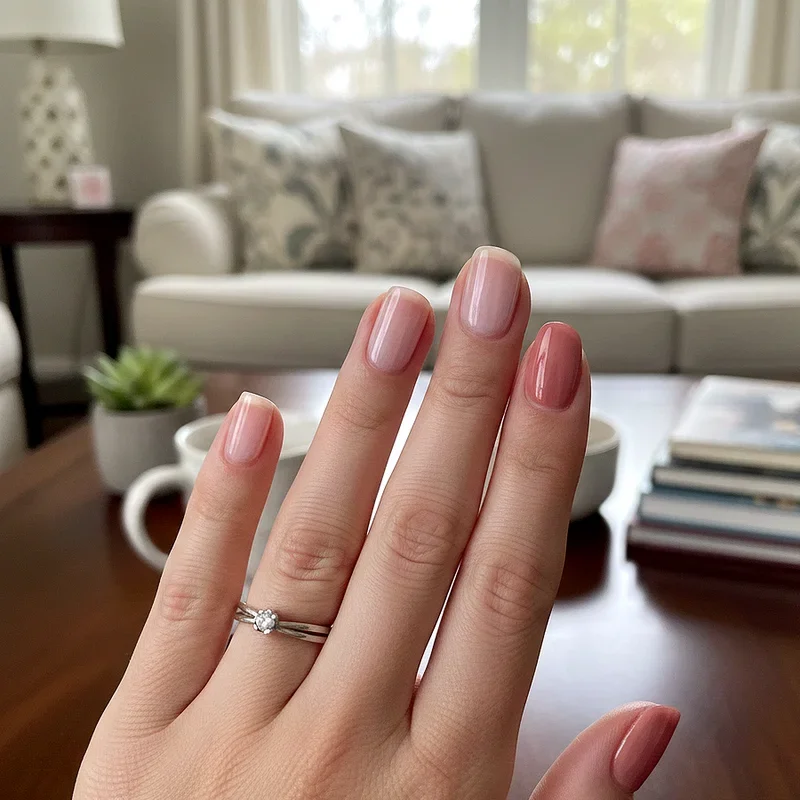
Gel manicures operate on entirely different principles than regular polish. Instead of air drying, gel polish cures under LED or UV lamps. This changes the timing game completely.
Most gel polishes require thirty to sixty seconds under an LED lamp per coat. UV lamps take longer, usually around two minutes per layer. These times are non negotiable. Under curing leads to tacky, easily damaged polish while over curing can cause brittleness and lifting.
The curing process creates a chemical reaction that hardens the polish almost instantly. Once cured, each layer is completely set and ready for the next one immediately. This is why gel manicures can be done faster despite having more steps. The trade off is needing special equipment and removal processes.
Common Mistakes That Affect Drying Time
Thick coats are probably the biggest culprit behind extended drying times and ruined manicures. We cannot stress this enough. Two thin coats will always outperform one thick coat in terms of both appearance and durability. The color payoff is better, and the drying time is significantly reduced.
Applying polish in humid environments creates all sorts of problems. Moisture in the air interferes with the evaporation process and can cause a cloudy, uneven finish. If you cannot control the humidity, at least give yourself extra drying time to compensate.
Skipping the base coat seems like a time saver but often backfires. Without that protective layer, your color polish may not adhere properly and could start peeling within days. Plus, you risk staining your natural nails, especially with darker shades.
Tips for Speeding Up Drying Time Between Coats
Want to cut down on waiting without sacrificing quality? Cold water is your secret weapon. After applying each coat, wait about a minute, then dip your fingertips in ice water for thirty seconds. The cold helps set the polish faster. Just dry your hands gently afterward.
Quick dry drops and sprays can work wonders when you are in a pinch. These products contain special solvents that accelerate evaporation. Apply them after each coat for maximum benefit. They also add a nice glossy finish as a bonus.
Keeping your polish in the refrigerator before use can help too. Cold polish applies thinner and dries faster than room temperature formulas. Just make sure you do not leave it in there too long, as extreme cold can affect the consistency.
The Role of Environment in Polish Drying
Your surroundings play a bigger role in drying times than you might think. Air circulation helps solvents evaporate more efficiently. A small fan pointed at your nails can shave minutes off your total drying time. Just keep it on a low setting to avoid creating bubbles.
Temperature affects viscosity and evaporation rates. Warmer rooms generally mean faster drying, but excessive heat can cause other problems like bubbling. Aim for a comfortable room temperature, somewhere around seventy degrees, for optimal results.
Direct sunlight should be avoided during the drying process. While warmth helps, UV rays can cause certain polishes to yellow or become brittle over time. Find a bright spot away from direct sun exposure for the best outcome.
Building a Perfect Multi Coat Manicure
Creating a flawless multi layer manicure is all about systematic patience. Start with clean, prepped nails. Oil and moisture are the enemy of polish adhesion, so make sure your nails are completely dry and free from any residue.
Apply your base coat thinly and evenly, then wait the appropriate time. Follow with your first color coat, keeping it thin and avoiding the cuticle area. Wait again. Repeat with your second color coat, adjusting thickness to achieve your desired opacity.
Finish with a quality top coat applied all the way to the free edge of your nail. This seals everything in and prevents chipping. Then comes the hard part. Resist the urge to do anything with your hands for at least thirty minutes.
Why Patience Pays Off with Nail Polish Application
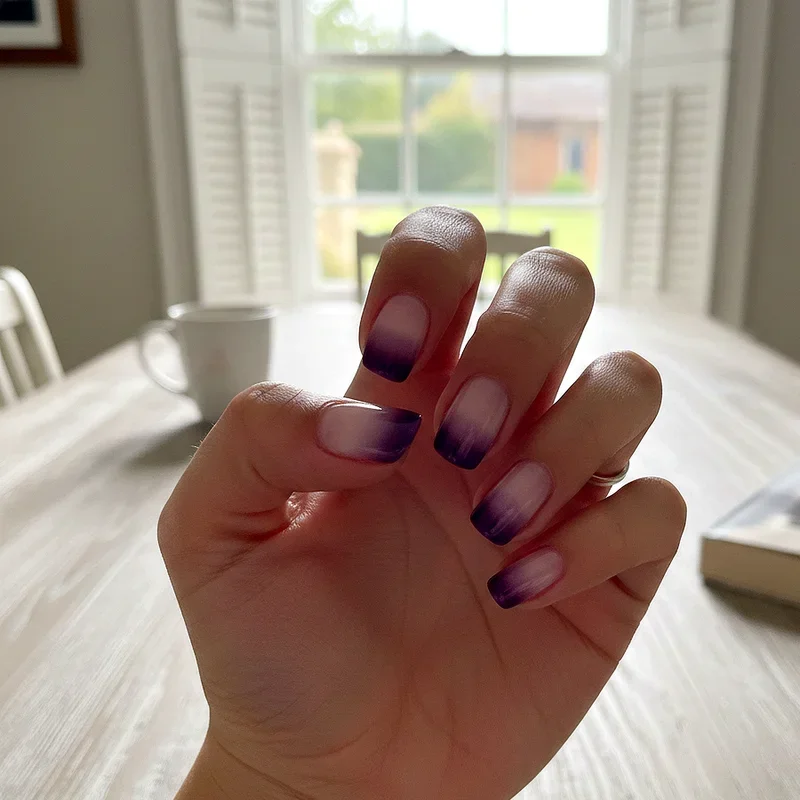
Look, we get it. Sitting around waiting for polish to dry is not exactly thrilling. But consider this. A properly executed manicure can last a week or more without major chips or peeling. A rushed job might not even survive the night.
The time you invest upfront saves you from constant touch ups and redo sessions. When you factor in the cost of polish, remover, and your valuable time, doing it right the first time just makes sense. Plus, there is something deeply satisfying about nails that look salon perfect without the salon price tag.
Understanding how long should you wait between nail polish coats transforms your manicure routine from frustrating to foolproof. It is one of those small adjustments that makes a massive difference in the final result.
Conclusion
Mastering the timing between nail polish coats is honestly the secret sauce to achieving professional looking results at home. Give each layer about two to three minutes to dry properly, apply thin coats, and resist the temptation to rush. Your patience will be rewarded with a chip resistant, glossy manicure that actually lasts. Remember, great nails are not about speed but about smart technique and giving each layer its moment to shine.
Read next: Why Does Nail Polish Bubble? Common Causes Explained
Frequently Asked Questions
Q1. Can I use a hairdryer to speed up nail polish drying time?
A: Hairdryers can cause bubbles and uneven drying so use cool settings only if needed.
Q2. Why does my nail polish keep smudging even after waiting?
A: You likely applied coats too thickly or did not wait long enough between layers.
Q3. Is it better to apply three thin coats or two thick ones?
A: Three thin coats always dry faster and last longer than two thick applications.
Q4. How can I tell if my nail polish is completely dry underneath?
A: Gently tap your nails together because fully dry polish will not feel sticky whatsoever.
Q5. Does the brand of nail polish affect how long I should wait?
A: Yes different formulas vary so always check the specific drying time recommendations provided.
Stay up to date with our latest ideas!