How to Soften Nail Glue Safely at Home
Learn how to soften nail glue safely at home using simple household items. Gentle removal tips that protect your natural nails every time.
So you went all in on a gorgeous set of press-on nails or acrylics, and now that stubborn glue just won't budge. We've all been there, right? It feels like that adhesive has made a lifelong commitment to your fingernails, and no amount of picking or peeling seems to do the trick. But hold on, because yanking at hardened nail glue is one of the quickest ways to wreck your natural nails. Nobody wants thin, brittle, or damaged nail beds just because they got a little impatient. The good news is that learning how to soften nail glue safely at home doesn't require a trip to the salon or a drawer full of expensive products. With a handful of common household items and a bit of patience, you can loosen that adhesive without causing any harm.
Why Does Nail Glue Get So Stubborn in the First Place?
Before jumping straight into removal methods, it helps to understand what you're dealing with. Most nail glues contain cyanoacrylate, which is essentially the same compound found in super glue. Once this chemical hits moisture, it undergoes a rapid bonding reaction that creates a rock-hard seal. That's exactly why it works so well for keeping false nails in place, but it's also why removing it feels like an uphill battle.
The thing is, cyanoacrylate bonds tighten over time. The longer you leave nail glue on your skin or nails, the tougher it becomes. Temperature and humidity play a role too. In dry conditions, that glue can become almost glass-like, making it incredibly resistant to simple scraping. Understanding this chemistry gives you a real advantage because once you know what breaks down cyanoacrylate, you can choose the right softening method and save yourself a whole lot of frustration.
It's also worth mentioning that not all nail glues are created equal. Some formulas include additional resins or plasticizers that make them slightly more flexible, while others dry extremely rigid. If you're working with a professional-grade adhesive, you might need a little extra soak time compared to a standard drugstore variety. Either way, patience is your best friend throughout this entire process.
How to Soften Nail Glue Safely at Home Using Warm Soapy Water
This is hands down the gentlest approach, and it's perfect if you're not in a massive hurry. Warm soapy water works by gradually breaking the bond between the glue and your nail surface, especially when the adhesive hasn't been on for too long.
Start by filling a small bowl with warm water. Make sure it's comfortably warm but not scalding, because burning your fingertips defeats the whole purpose of being gentle. Add a generous squirt of liquid dish soap and swirl it around until you see some bubbles forming. Now, submerge your fingertips and let them soak for about fifteen to twenty minutes.
After soaking, you should notice the glue starting to feel a bit softer and more pliable. Grab a wooden cuticle stick or an orange stick and gently try to lift the edges of the glue. If it's still putting up a fight, don't force it. Just pop your fingers back in the water for another ten minutes and try again. The key here is repetition rather than pressure. You're coaxing the glue off, not prying it.
For an extra boost, try adding a teaspoon of olive oil or coconut oil to the warm water. These oils help lubricate the area around the glue and can speed up the loosening process. Plus, they leave your cuticles feeling moisturized and soft, which is a pretty nice bonus after all that soaking.
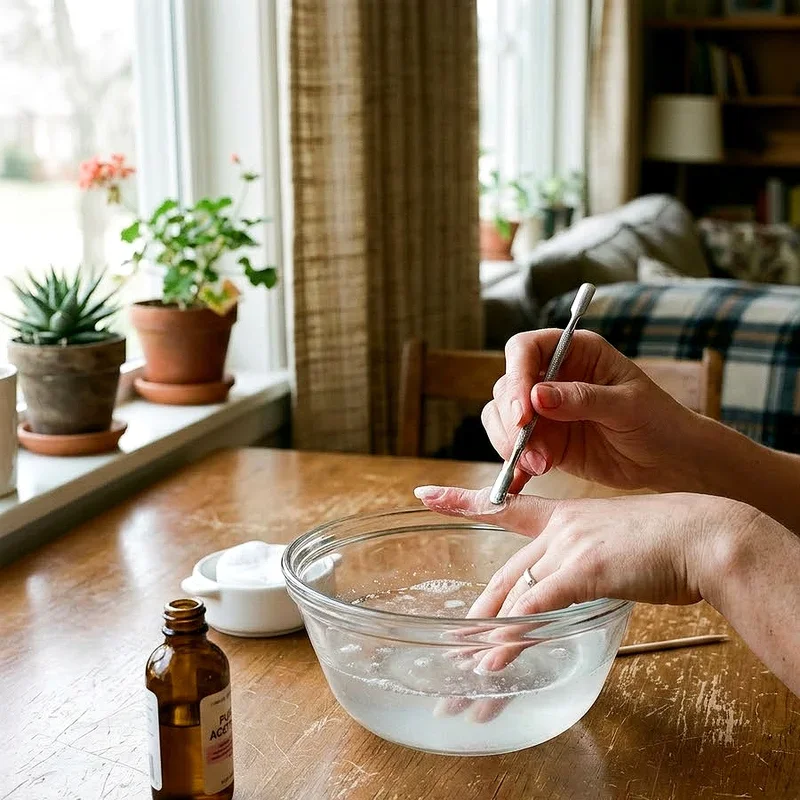
The Acetone Method for How to Soften Nail Glue Safely at Home
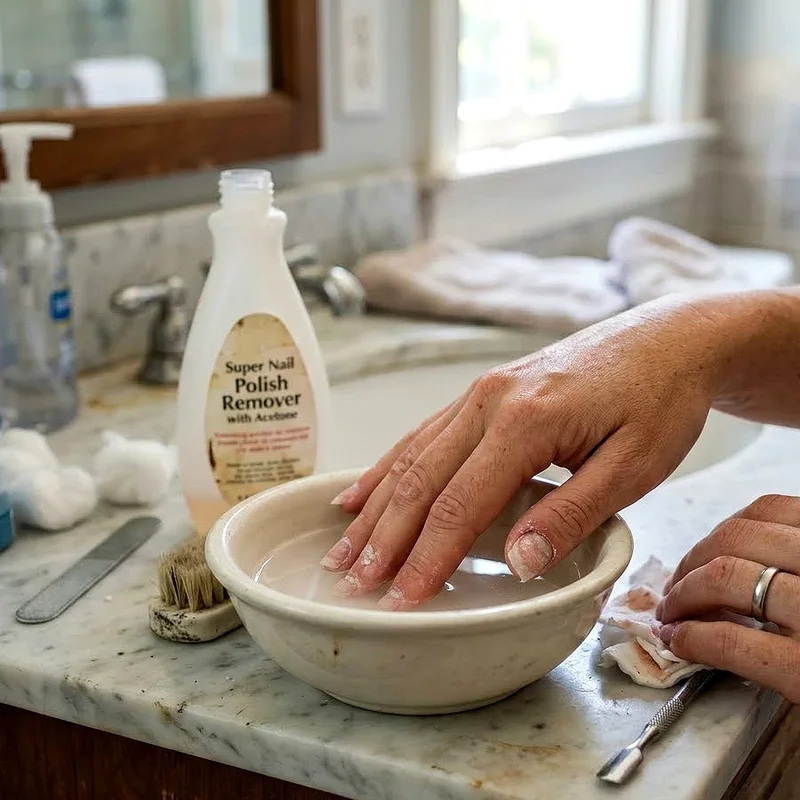
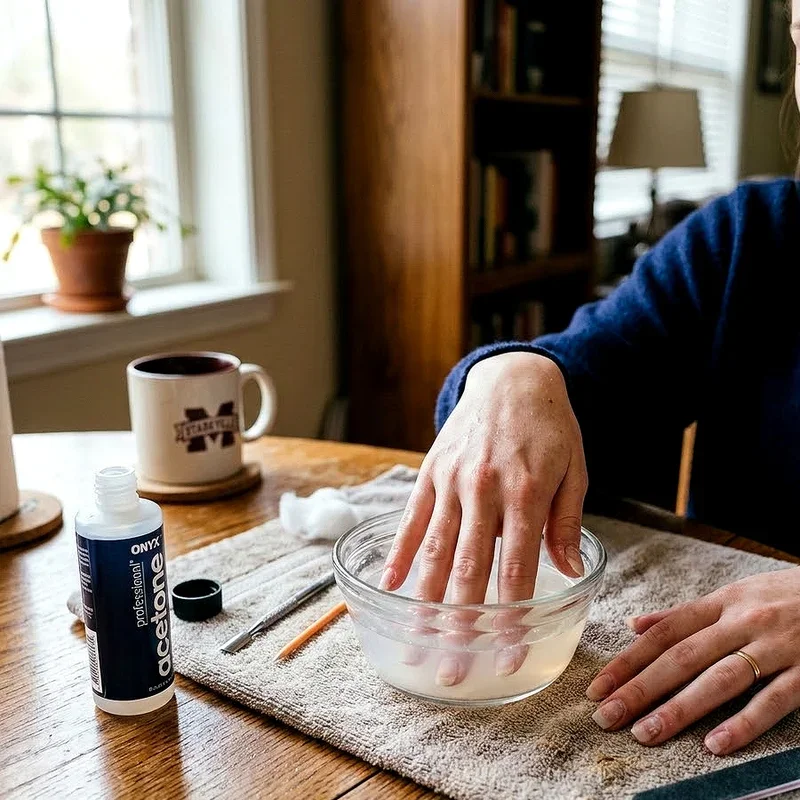
If warm water alone isn't cutting it, acetone is your next best bet. It's the gold standard for dissolving cyanoacrylate, and you can find it in most nail polish removers. Just make sure you're grabbing the one that specifically says "100% acetone" on the label, because those gentle or non-acetone formulas won't pack enough punch for hardened nail glue.
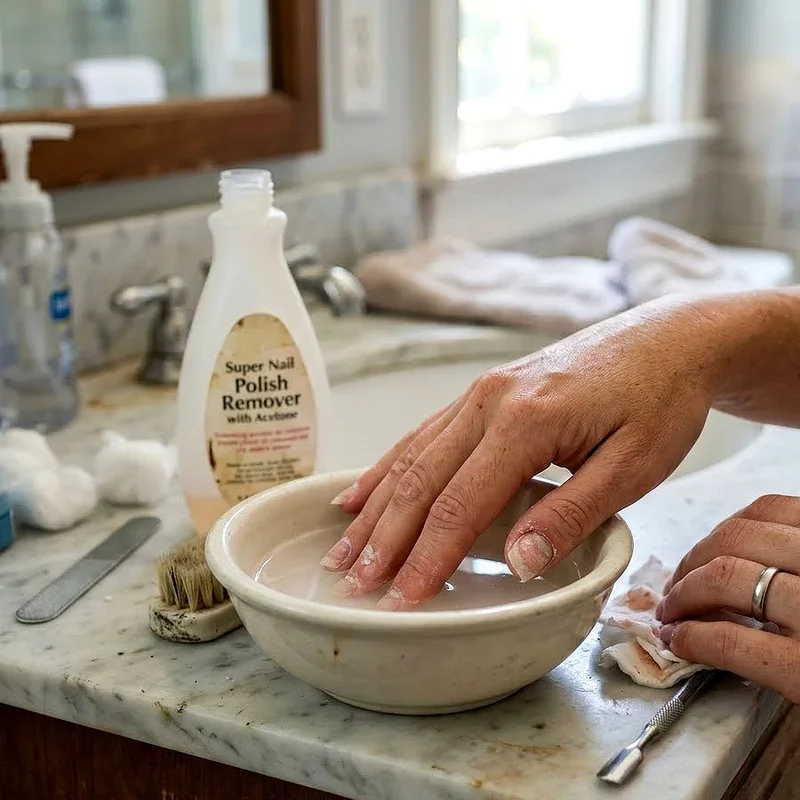
Pour enough acetone into a small glass bowl to cover your nails. Ceramic or glass containers are ideal since acetone can actually melt certain plastics, and nobody wants that kind of mess. Dip your fingertips into the acetone and let them soak for about ten to fifteen minutes. You'll start to see the glue turning white and getting soft, which means it's working.
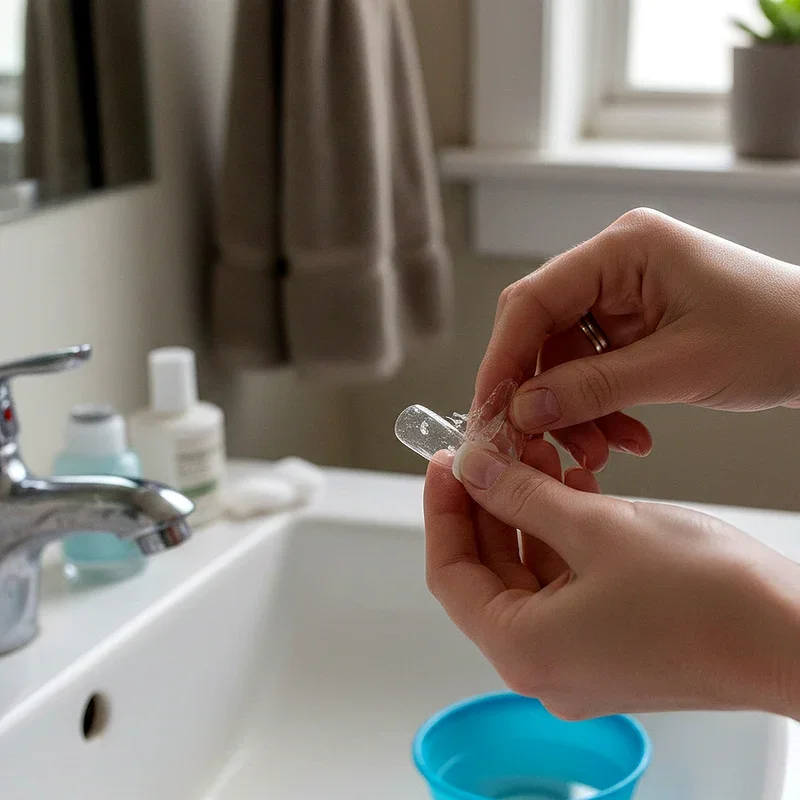
Once the glue has softened up, use a cuticle pusher to gently scrape it away. Work slowly and be careful not to dig into your actual nail plate. If some patches remain stubborn, soak for another five minutes and try again. It's tempting to rush through this part, but trust the process. A little extra soak time goes a long way.
After you're finished, wash your hands thoroughly with soap and water to remove any acetone residue. Then slather on a rich hand cream or cuticle oil because acetone is notorious for drying out your skin and nails. Think of it as giving your hands a well-deserved spa treatment after all that hard work.
Using Petroleum Jelly as a Gentle Softening Agent
Here's a trick that might surprise you. Petroleum jelly, that humble tub of Vaseline sitting in your bathroom cabinet, can actually help soften dried nail glue. It works by slowly penetrating the edges of the adhesive and weakening the bond over time. It's not the fastest method out there, but it's incredibly gentle and perfect for sensitive skin.
Apply a thick layer of petroleum jelly over and around the glued area. Really pack it on so the entire surface is covered. Then wrap your fingertip loosely with a small piece of plastic wrap or a bandage to keep the jelly in place. Leave it on for at least thirty minutes, though an hour will give you even better results.
When you unwrap your finger, the glue should feel noticeably softer. Use a gentle rubbing motion with a soft cloth or cotton pad to work the loosened glue away. You might need to repeat this process a couple of times for really stubborn spots, and that's perfectly fine. The beauty of petroleum jelly is that it nourishes your skin while it works, so there's no risk of drying things out like you might experience with acetone.
The Lemon Juice and Baking Soda Technique
For folks who prefer to keep things all natural, this kitchen remedy does a surprisingly good job. Lemon juice contains citric acid, which helps break down adhesive compounds, while baking soda acts as a mild abrasive that assists with physical removal. Together, they make a pretty effective team.
Mix equal parts lemon juice and baking soda in a small dish until you get a thick paste. Spread this paste over the dried nail glue and let it sit for about ten minutes. The slight fizzing action you'll notice is the acid and baking soda reacting, and it's actually helping to lift the glue from the surface.
After the paste has done its thing, use an old toothbrush or a soft nail brush to gently scrub the area in circular motions. The combination of the chemical action and the gentle scrubbing should loosen most of the glue. Rinse with warm water and check your progress. If some residue remains, apply a fresh round of paste and repeat the process.
One thing to keep in mind is that lemon juice can sting if you have any small cuts or hangnails around your fingers. If you feel any burning or discomfort, rinse immediately and switch to one of the other methods instead. It's all about listening to your body and choosing what feels right for you.
Tips to Avoid Nail Damage During Glue Removal
Knowing how to soften nail glue safely at home is only half the equation. The other half is making sure you don't accidentally cause damage while you're at it. Here are some important pointers to keep in mind throughout the process.
Never, and I mean never, try to rip or pull hardened glue off your nails with brute force. This can tear off layers of your natural nail and leave you with painful, weakened nail beds that take weeks or even months to recover. It might seem like the quickest solution, but the aftermath really isn't worth it.
Always use the right tools for the job. Wooden cuticle sticks and orange sticks are ideal because they're firm enough to push glue off but soft enough that they won't scratch your nail plate. Metal tools can be too harsh and might gouge the surface of your nails if you're not extremely careful.
After you've removed the glue, give your nails some serious aftercare. Apply cuticle oil generously and consider using a nail strengthener for the next few weeks. Your nails have been through a bit of an ordeal, and they deserve some TLC. Moisturizing regularly will help restore flexibility and prevent peeling or breakage down the road.
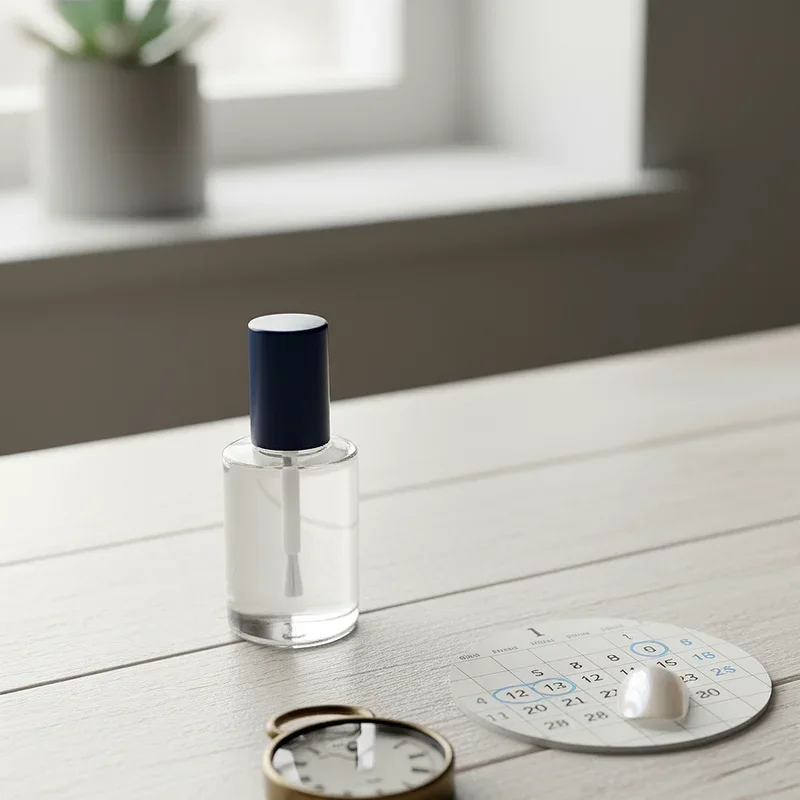
If you're someone who uses press-on nails frequently, think about applying a thin base coat before the glue next time. This creates a slight barrier between the adhesive and your natural nail, making future removal much easier and reducing the risk of damage. It's a small step that pays off in a big way.
What to Do If Nail Glue Gets on Your Skin
Accidentally getting nail glue on your skin happens more often than people like to admit. Whether you've bonded two fingers together or just have a stubborn blob on your cuticle area, don't panic. Skin removal is actually easier than nail removal because your skin naturally produces oils that help weaken the adhesive over time.
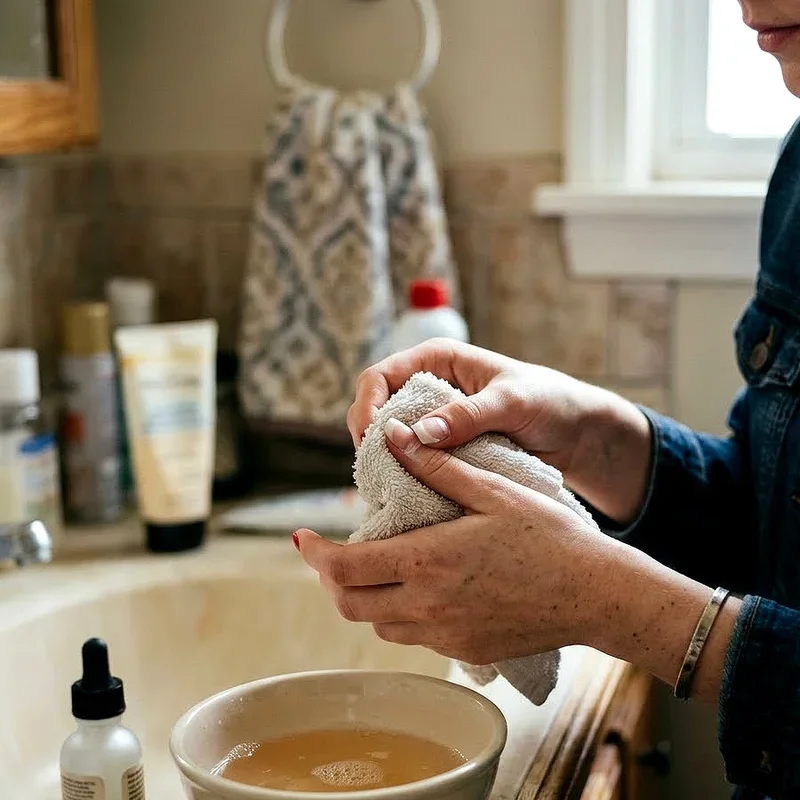
Soak the affected skin in warm soapy water for fifteen minutes. After soaking, try rolling the glue off with your fingers using a gentle back-and-forth motion. In many cases, the glue will start to peel away on its own after a good soak. For more persistent patches, dab a cotton ball soaked in acetone directly on the glue spot and hold it there for a minute or two before attempting removal.
Avoid using sharp objects like scissors or razor blades to scrape glue off your skin. It might seem like a quick fix, but the risk of cutting yourself is way too high. Stick with the soaking methods and let the chemistry do the heavy lifting for you. Your skin will thank you later.
Conclusion
Dealing with stubborn nail glue doesn't have to turn into a nightmare. By choosing the right softening method and exercising a bit of patience, you can remove dried adhesive without putting your natural nails at risk. Whether you reach for warm soapy water, acetone, petroleum jelly, or even lemon juice and baking soda, the secret is always gentle, consistent effort rather than brute force. Take your time, pamper your nails afterward, and you'll come out the other side with healthy, happy fingertips.
Read next: How to Get Rid of Nail Glue Safely Without Damage
Frequently Asked Questions
Q1. Can I use regular nail polish remover instead of pure acetone?
A: Regular remover works but pure acetone dissolves nail glue much faster and more effectively.
Q2. How long does it take to soften nail glue with warm water?
A: Warm soapy water typically needs fifteen to twenty minutes of soaking to soften glue.
Q3. Is it safe to use nail glue remover on sensitive skin?
A: Most removers are safe but test a small patch first to check for irritation.
Q4. Will coconut oil help remove dried nail glue from fingers?
A: Yes, coconut oil gradually loosens nail glue bonds and moisturizes surrounding skin nicely.
Q5. Can I speed up the nail glue softening process somehow?
A: Combining warm water soaking with gentle acetone application speeds up the softening process significantly.
Stay up to date with our latest ideas!