How to Get Nail Glue Off of Fake Nails Safely Without Ruining Your Beautiful Set
Learn how to get nail glue off of fake nails safely with gentle methods that protect your press-ons for reuse. Easy tips inside!
So, you've invested in a gorgeous set of fake nails, and now you're staring at them wondering how on earth you'll remove that stubborn glue without destroying everything. Been there, done that, right? Getting nail glue off your artificial nails doesn't have to feel like rocket science, and honestly, it shouldn't cost you your entire manicure either. Here's the thing. Nail glue is designed to stick like nobody's business, which is fantastic when you want your nails to stay put during a busy week. But when it's time for removal or you've made a little oopsie during application, that same super-strong adhesive becomes your worst nightmare. The good news? There are plenty of safe, effective ways to tackle this sticky situation without reaching for harsh chemicals that'll ruin your reusable press-ons.
Why Proper Nail Glue Removal Matters More Than You Think
Before we jump into the nitty-gritty of removal techniques, let's chat about why this whole process actually matters. You might be thinking, "It's just glue, what's the big deal?" Well, there's quite a bit at stake here.
First off, quality fake nails aren't exactly cheap. Whether you've splurged on a professional set or picked up some adorable press-ons from your favorite beauty store, you probably want to get more than one use out of them. Ripping off glue carelessly or using the wrong products can warp, crack, or permanently damage your artificial nails. And nobody wants to throw money down the drain like that.
Additionally, improper removal techniques can leave behind residue that makes reapplication a total nightmare. Lumpy, uneven surfaces don't exactly scream "salon quality," do they? Taking the time to remove glue properly ensures your fake nails look fresh and flawless every single time you wear them.
Understanding What You're Working With
Nail glue is typically made from cyanoacrylate, which is basically a fancy term for a type of acrylic resin. This stuff bonds incredibly fast and creates a waterproof seal that can withstand daily wear and tear. Pretty impressive, huh? But this also means you can't just peel it off and call it a day.
Different types of fake nails react differently to various removal methods. Acrylic nails, gel extensions, and press-on nails each have their own quirks. Press-ons, for instance, tend to be more delicate and can crack under pressure. Meanwhile, thicker acrylic sets might handle a bit more aggressive treatment. Knowing what you're dealing with helps you choose the safest approach.
Essential Supplies for Safe Nail Glue Removal
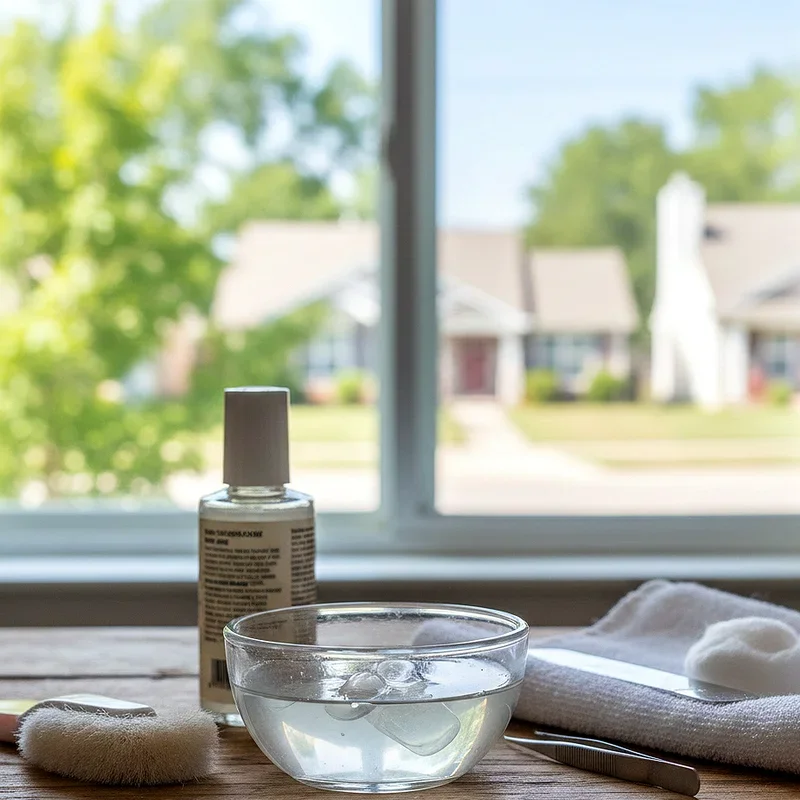
Before you start the removal process, gather these items to make your life easier:
Acetone or non-acetone nail polish remover A small glass or ceramic bowl Cotton balls or pads Aluminum foil strips A soft nail buffer Cuticle oil or coconut oil An orange stick or cuticle pusher A clean, soft towel Warm water Mild dish soap
Having everything ready beforehand prevents you from scrambling around mid-process with half-dissolved glue on your hands. Trust me, that's not a situation you want to find yourself in!
How to Get Nail Glue Off of Fake Nails Safely Using the Soaking Method
This technique is probably the gentlest approach, and it works wonders for most types of artificial nails. Here's how to do it right.
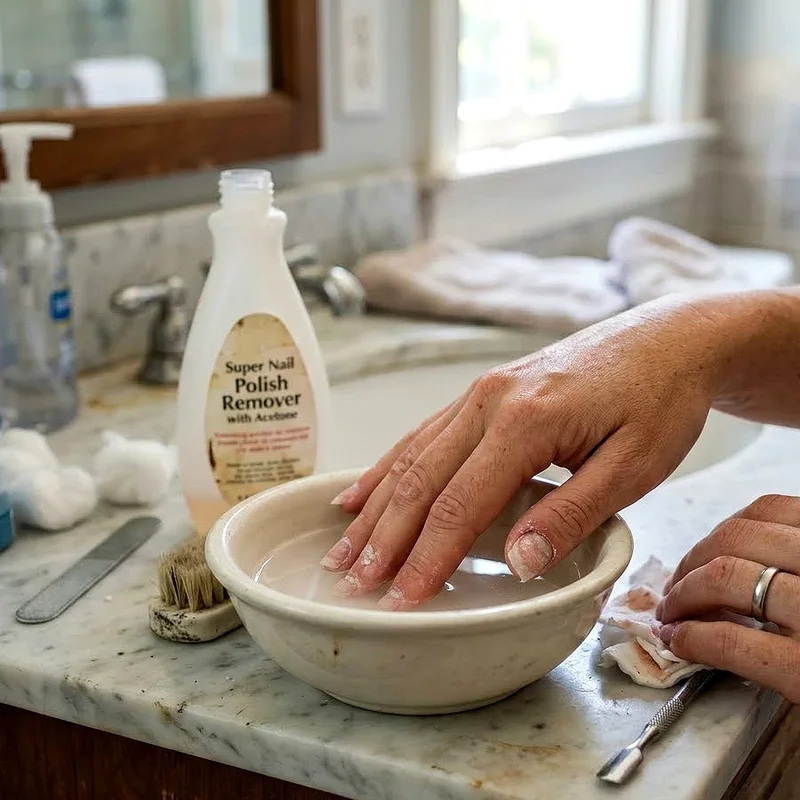
Start by filling your small bowl with warm water and adding a few drops of mild dish soap. The warmth helps soften the adhesive while the soap breaks down its bond. Submerge your fake nails in this mixture and let them soak for about fifteen to twenty minutes. Patience is key here, so maybe catch up on your favorite show while you wait.
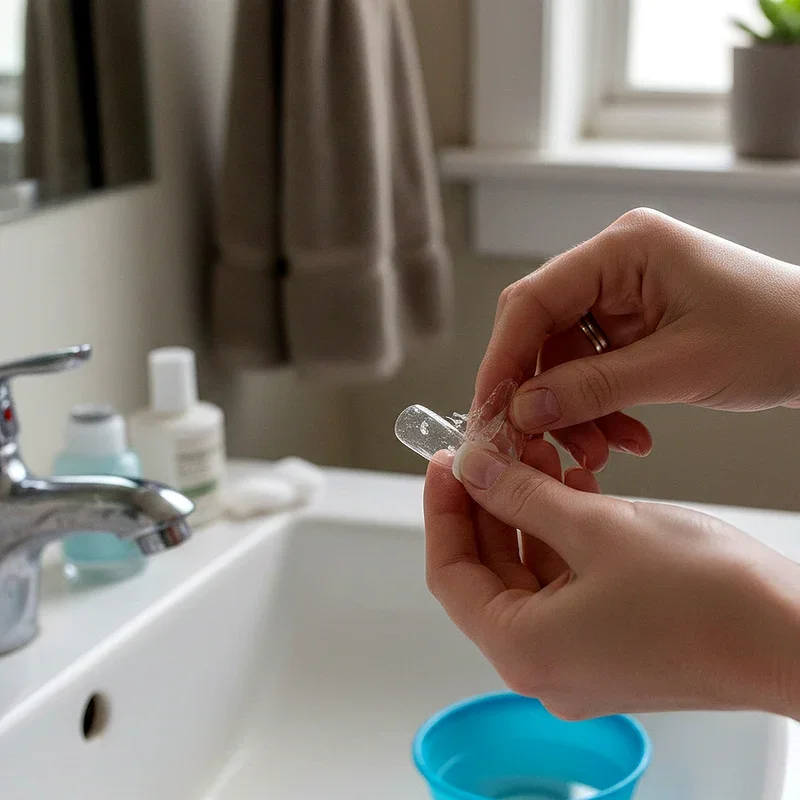
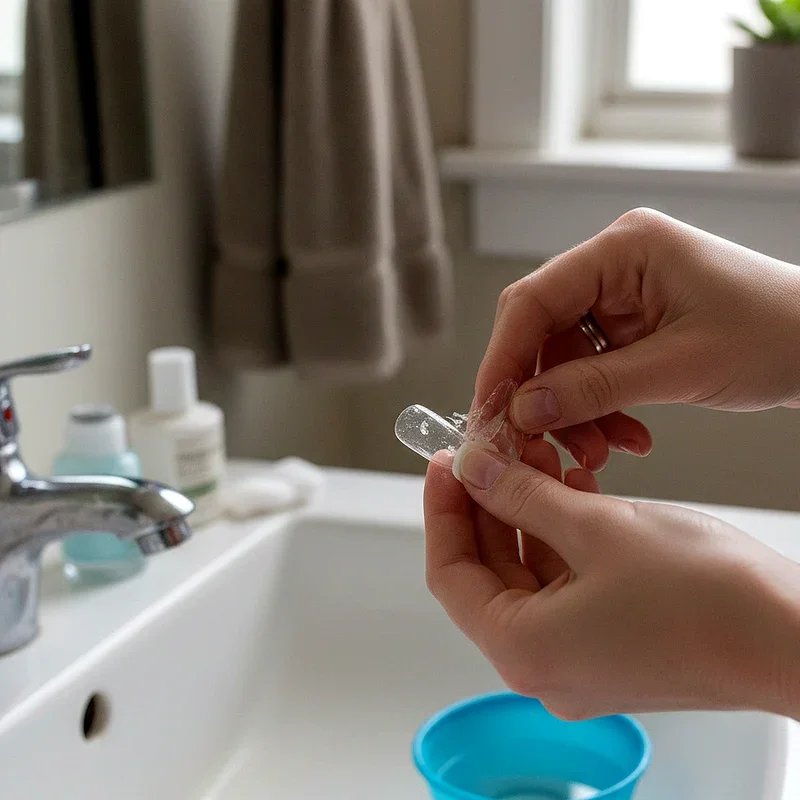
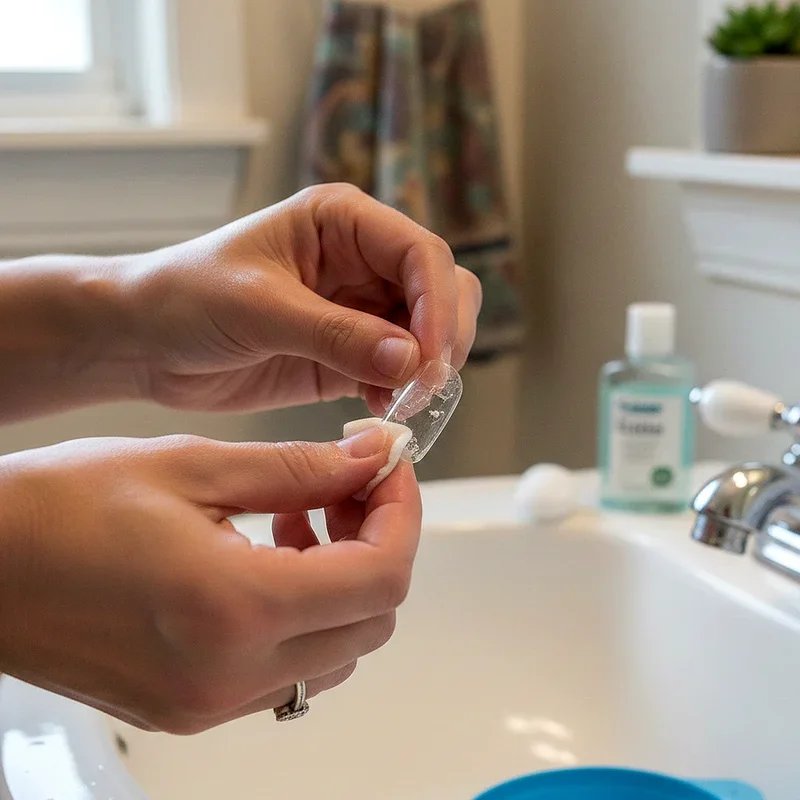
After soaking, you'll notice the glue has become significantly softer. Using your orange stick, gently work at the edges of the glue, pushing it away from the nail surface. Don't force anything. If the glue resists, pop the nails back into the water for another five minutes. Repeat this process until all the adhesive lifts off cleanly.
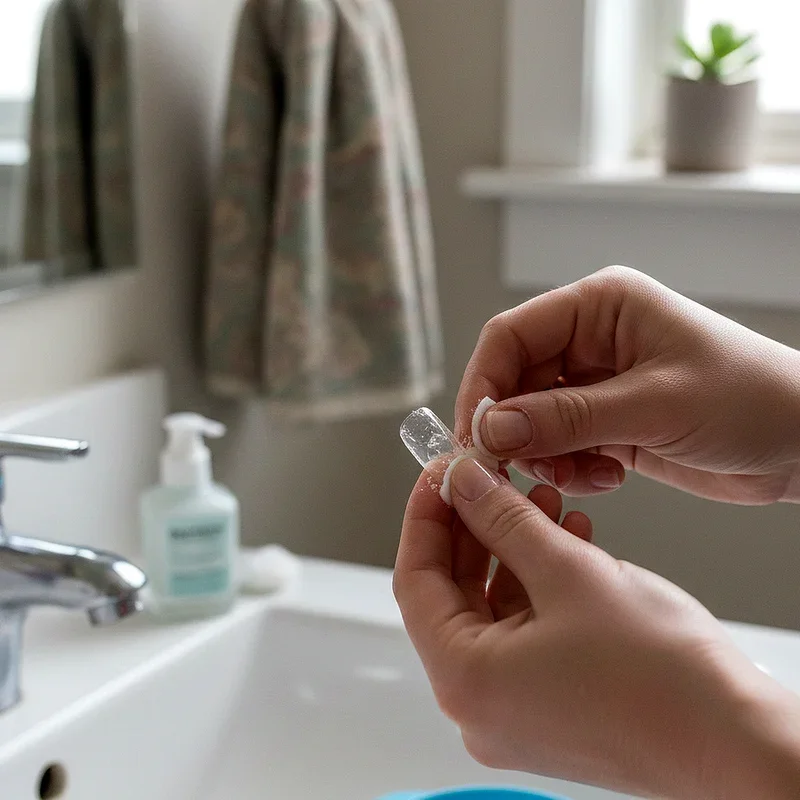
Once you've removed the bulk of the glue, use your soft buffer to smooth out any remaining residue. Be gentle with this step because over-buffing can thin out your fake nails and make them prone to breaking.
The Acetone Approach for Stubborn Glue
Sometimes, soapy water just doesn't cut it, especially when you're dealing with industrial-strength nail glue. In these cases, acetone becomes your best friend. However, this method requires extra caution since acetone can be harsh on certain materials.
Pour a small amount of pure acetone into your glass bowl. Never use plastic containers because acetone can actually melt certain plastics, and that's a mess you definitely don't need. Place your fake nails glue-side down in the acetone and let them sit for about ten minutes.
Check on them periodically to see how the glue is responding. Once it starts looking gummy or lifting at the edges, remove the nails and use your cuticle pusher to gently scrape away the softened adhesive. Work in small sections and avoid using excessive force.
After you've removed all the glue, rinse your fake nails thoroughly with warm water to remove any acetone residue. Then, and this part is crucial, apply a generous amount of cuticle oil to rehydrate the nail material. Acetone can be quite drying, and this step helps restore some moisture.
The Oil Method for Sensitive Materials
If you're worried about acetone damaging your delicate press-ons, the oil method offers a gentler alternative. Plus, it's super easy and uses stuff you probably already have lying around at home.
Coconut oil, olive oil, or even baby oil can work magic on nail glue. Apply a generous amount of your chosen oil directly onto the glue residue. Let it sit and penetrate the adhesive for about fifteen to twenty minutes. The oil gradually breaks down the glue's bond without being harsh on the nail material.
After the waiting period, the glue should be soft enough to peel or push off gently. Use your orange stick to lift the edges and work your way across the surface. This method might take a bit longer than acetone, but it's much kinder to your fake nails and won't cause any discoloration or warping.
Tips for Avoiding Glue Disasters in the First Place
Prevention is always better than cure, wouldn't you agree? Here are some smart habits that'll minimize your glue struggles going forward.
Apply nail glue sparingly. You really only need a thin layer to create a strong bond. Glopping on excessive amounts just creates more mess to clean up later and doesn't actually make your nails stick better.
Use a toothpick or fine applicator for precision. This gives you way more control than squeezing glue directly from the bottle and helps you avoid getting adhesive where it doesn't belong.
Keep a cotton swab dipped in acetone nearby during application. If you make a mistake, you can quickly wipe away excess glue before it dries and becomes a problem.
Store your fake nails properly between uses. Clean them thoroughly, let them dry completely, and keep them in a protective case. This prevents dust and debris from sticking to any residual adhesive.
What Not to Do When Removing Nail Glue
Just as important as knowing the right techniques is understanding what to avoid. Some common mistakes can seriously damage your fake nails or even hurt your natural nails underneath.
Never, ever try to forcefully pry or rip glue off. This aggressive approach almost always results in broken fake nails and can take layers off your natural nail plate too. Ouch!
Avoid using sharp metal tools to scrape at the glue. These can scratch and gouge the surface of your artificial nails, leaving them looking dull and damaged.
Don't skip the moisturizing step after using acetone. Your fake nails and cuticles need that hydration boost, and neglecting it can lead to brittleness over time.
Stay away from super glue removers that aren't specifically designed for nail use. Industrial solvents may contain chemicals that can melt or warp your fake nails beyond repair.
Storing Your Cleaned Fake Nails for Future Use
You've done all that work to clean your nails, so don't let it go to waste! Proper storage ensures your fake nails stay in tip-top condition until you're ready to rock them again.
First, make sure your nails are completely dry before putting them away. Any trapped moisture can lead to mold or mildew, and that's pretty gross. Lay them flat on a clean towel and let them air dry for at least an hour.
Once dry, organize your nails by size in a designated storage container. Many press-on nail sets come with their own cases, which work perfectly for this purpose. If not, a small craft organizer or even a clean pill case does the trick nicely.
Keep your storage container in a cool, dry place away from direct sunlight. Heat and UV rays can cause fake nails to become brittle or lose their color over time.
When Professional Help Makes Sense
Look, there's no shame in admitting when something is beyond your DIY abilities. If you've tried multiple methods and that glue just won't budge, or if you're dealing with an expensive set of custom nails, it might be worth visiting a professional nail technician.
Salons have access to professional-grade removal products and tools that can handle even the most stubborn adhesive situations. Plus, technicians know exactly how much pressure to apply without damaging the nail material. Sometimes spending a few extra bucks for expert help saves you money in the long run by preserving your investment.
Conclusion
Learning how to get nail glue off of fake nails safely is honestly a game-changer for anyone who loves sporting gorgeous artificial nails. By using gentle methods like warm soapy water, oil treatments, or carefully applied acetone, you can remove stubborn adhesive without damaging your precious press-ons. Remember to always be patient, work gently, and never force the glue off. With these techniques in your beauty arsenal, you'll keep your fake nails looking fabulous for many uses to come.
Read next: How Long Does Nail Glue Last Before Reapplication
Frequently Asked Questions
Q1. Can I reuse fake nails after removing the glue?
A: Yes, properly cleaned fake nails can be reused multiple times without issues.
Q2. Does acetone damage all types of fake nails?
A: Acetone may damage delicate press-ons, so test on inconspicuous areas first.
Q3. How long should I soak nails to remove glue?
A: Soak fake nails for fifteen to twenty minutes for best results.
Q4. Is hot water better than warm water for removal?
A: Warm water works best because hot water can warp certain nail materials.
Q5. Can I use regular nail polish remover instead of acetone?
A: Non-acetone removers work but take longer to dissolve the nail glue effectively.
Stay up to date with our latest ideas!