How to Get Rid of Nail Glue Safely Without Damage
Discover safe methods to remove stubborn nail glue without harming your nails. Get expert tips for gentle, effective removal at home today.
Let's face it, nail glue is like that clingy friend who just doesn't know when to leave. It's fantastic when you need it, holding your press-on nails or nail art in place with incredible strength. But when it's time to say goodbye? Well, that's when things get sticky, literally. Whether you've got dried nail glue crusted on your natural nails, skin, or even your favorite shirt, removing it can feel like you're attempting a delicate surgery. The good news is you don't have to resort to scraping, peeling, or using harsh chemicals that leave your nails looking worse than before. Getting rid of nail glue safely is absolutely possible when you know the right techniques and have the proper tools at your disposal.
Understanding Why Nail Glue Is So Stubborn
Before jumping into removal methods, it helps to understand what makes nail glue such a tough opponent. Nail adhesive typically contains cyanoacrylate, the same powerful ingredient found in super glue. This stuff creates incredibly strong bonds by polymerizing rapidly when exposed to moisture in the air. That's why it dries so quickly and holds so firmly. When nail glue comes into contact with your nail plate, it seeps into the tiny ridges and imperfections on the nail surface, creating an even stronger grip. This is great for longevity when you're wearing artificial nails, but not so great when removal time rolls around. Understanding this science helps you appreciate why gentle dissolution is always better than forceful removal. Trying to peel or scrape hardened nail glue can strip away layers of your natural nail, leading to weakness, peeling, and pain. The key is working with the glue's chemistry rather than against it, using solvents and softening agents that break down the cyanoacrylate bonds without harming the keratin structure of your nails.
The Acetone Soak Method for Maximum Effectiveness
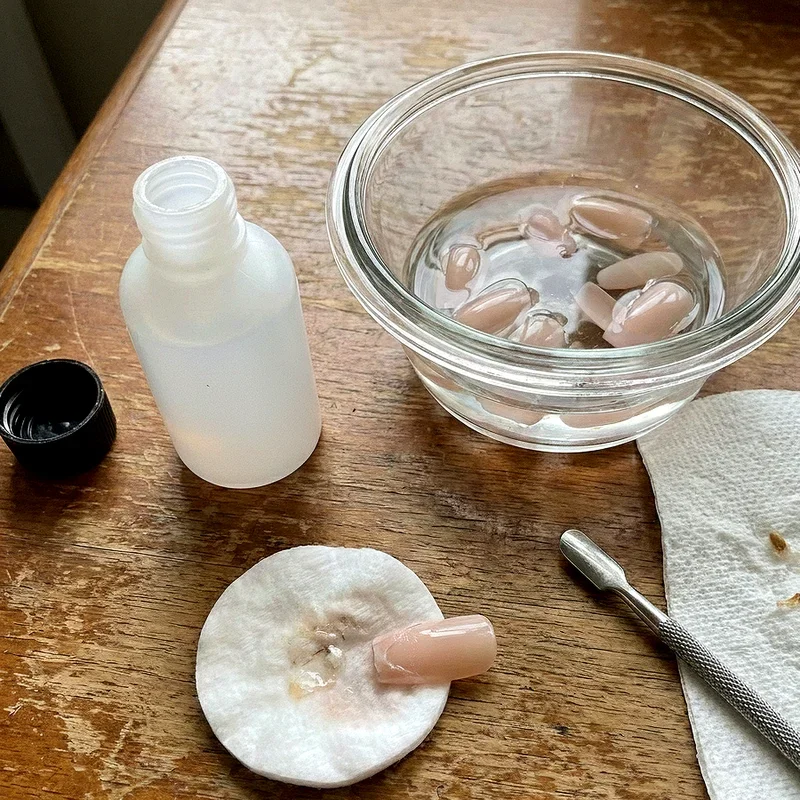
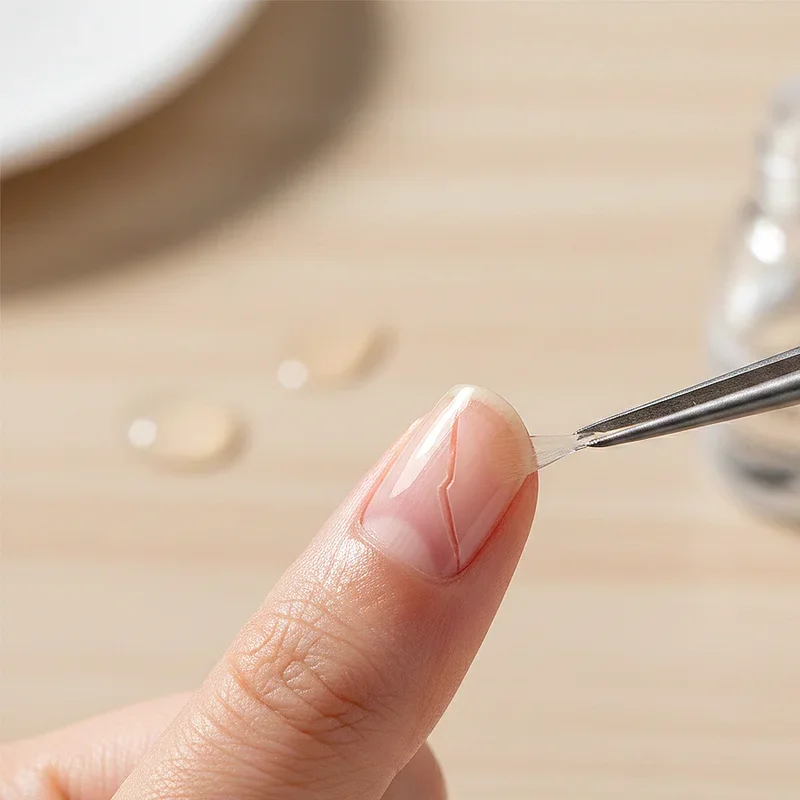
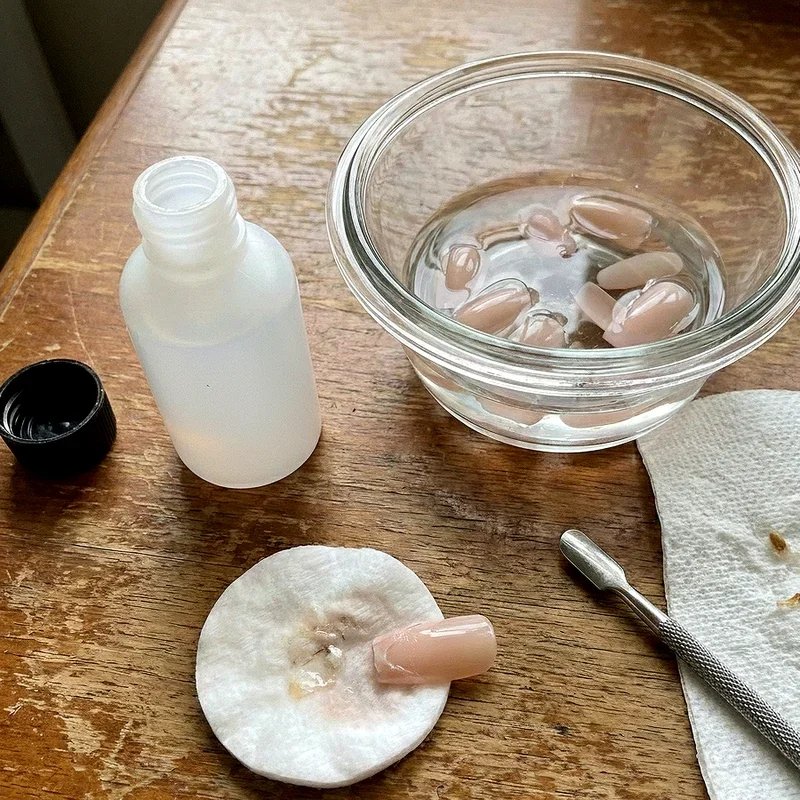
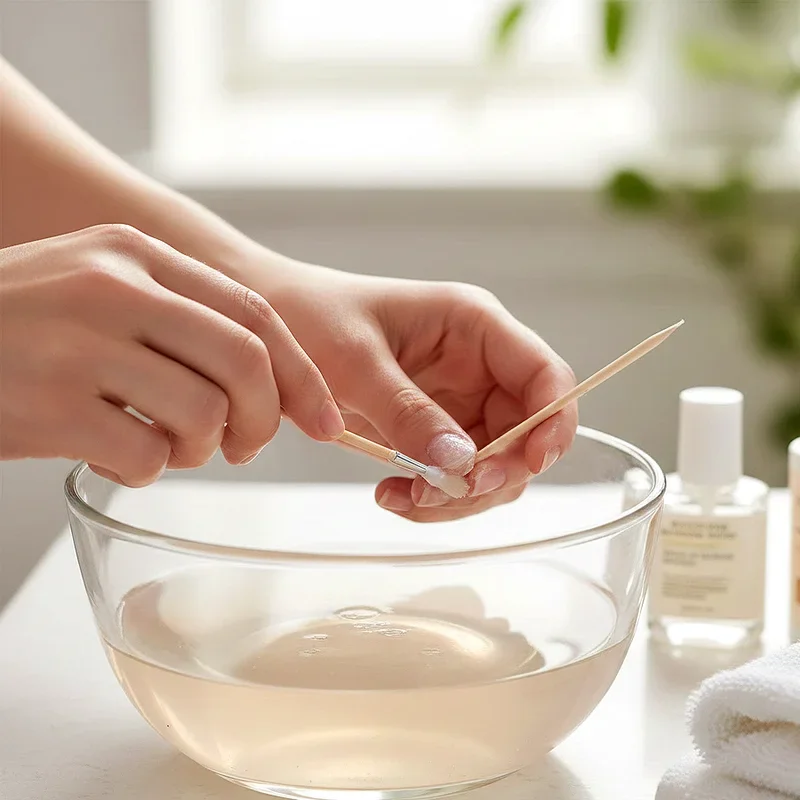
When it comes to removing nail glue, acetone is pretty much the gold standard. This powerful solvent breaks down cyanoacrylate bonds efficiently, making it the go-to choice for both professionals and DIY enthusiasts. Pour pure acetone into a small glass bowl, enough to fully submerge your fingertips. Now, here's a pro tip that makes a huge difference: warm the acetone slightly by placing the glass bowl in a larger bowl of warm water. The heat helps the acetone work faster and more effectively. Soak your nails for about 10 to 15 minutes, checking periodically to see if the glue is softening. You'll notice it starting to turn white and gummy, which means it's dissolving. Gently use an orange stick or cuticle pusher to ease the softened glue away from your nail surface. Don't force it though. If it's not budging easily, soak for another five minutes. After removal, your nails will feel extremely dry because acetone is quite harsh on natural oils. Immediately wash your hands with gentle soap, then slather on a rich cuticle oil and hand cream. This rehydration step isn't optional if you want to prevent damage and brittleness.
The Gentle Soapy Water Approach
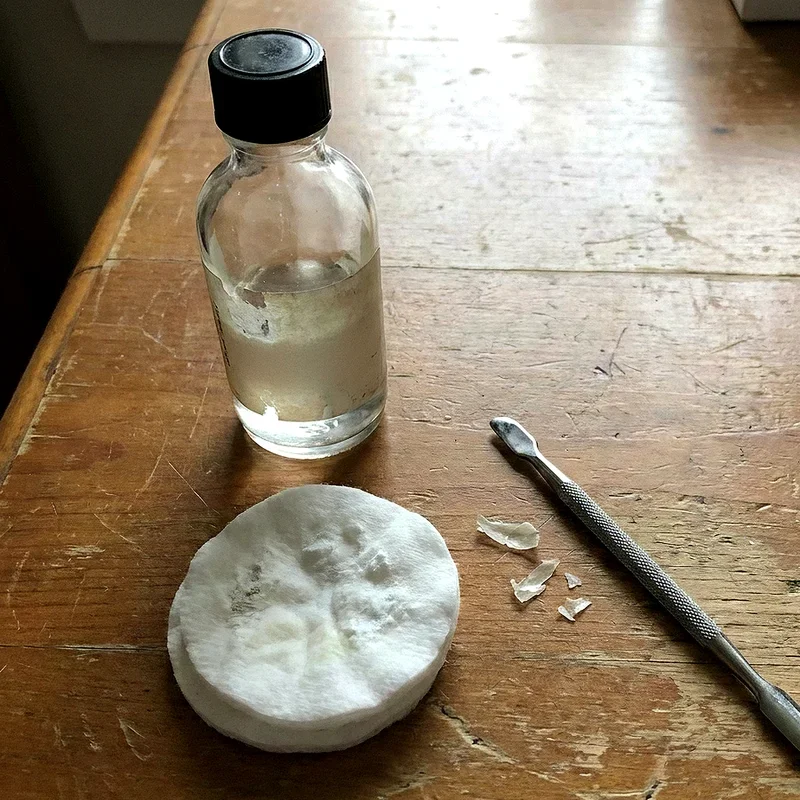
If acetone feels too harsh for your taste, or if you've got sensitive skin that reacts badly to strong chemicals, the soapy water method offers a gentler alternative. Fill a bowl with warm water, as hot as you can comfortably tolerate without burning yourself. Add a generous squirt of gentle dish soap or hand soap, creating nice sudsy water. The key here is patience, because you'll need to soak for a considerably longer time, usually 20 to 30 minutes. The warm water works to soften the glue gradually while the soap helps break down some of its adhesive properties. Some folks like to add a bit of oil to the mix, whether it's olive oil, coconut oil, or baby oil, which can help lubricate the glue and make removal easier. After soaking, use a soft nail brush or a gentle buffer to work away the softened glue. This method requires more elbow grease and time, but it's significantly less drying and irritating than acetone. It works particularly well for small amounts of glue or for people who regularly remove and reapply press-on nails and want a less aggressive daily removal method.
How to Get Rid of Nail Glue Safely Without Damage from Skin
Getting nail glue on your skin is incredibly common, and honestly, it happens to even the most experienced nail enthusiasts. The good news is that removing glue from skin is generally easier and less risky than removing it from nails because skin naturally regenerates and sheds. Start by soaking the affected skin area in warm, soapy water for about 10 minutes. This softens both the glue and your skin, making separation easier. After soaking, apply a generous amount of oil, any kind will do, whether it's olive oil, coconut oil, or even vegetable oil from your kitchen. Massage the oil into the glued area using circular motions. The oil helps break down the adhesive bond while lubricating the skin, allowing the glue to slide off more easily. For really stubborn glue, make a paste using equal parts baking soda and coconut oil. Apply this mixture to the glued skin and let it sit for five minutes before gently rubbing in circular motions. The mild abrasiveness of baking soda combined with the moisturizing properties of oil creates an effective yet gentle removal solution. Whatever you do, resist the urge to peel or rip the glue off forcefully, as this can tear your skin and cause bleeding or scarring.
Natural Oils and Their Surprising Effectiveness
Mother Nature offers some pretty impressive solutions for nail glue removal, and natural oils deserve way more credit than they usually get. Coconut oil, olive oil, and even tea tree oil possess properties that can help dissolve adhesives while simultaneously nourishing your nails and skin. Warm your chosen oil slightly, either in the microwave for a few seconds or by running the bottle under hot water. Apply the warm oil generously to the glued areas, really saturating them. Then, wrap your fingertips in plastic wrap or put on disposable gloves to create a warming effect that helps the oil penetrate deeper. Leave this oil treatment on for at least 30 minutes, though longer is better. Some people even do this overnight treatment for particularly stubborn glue. The oils work by seeping into the microscopic spaces between the glue and your nail, slowly breaking the bond while conditioning your nails at the same time. After the soaking period, gently massage your nails and use a soft cloth to wipe away the loosened glue. Unlike harsh chemical solvents, oils actually improve nail health rather than compromising it, making this method ideal for people with already damaged or brittle nails.
The Alcohol and Buffing Combination
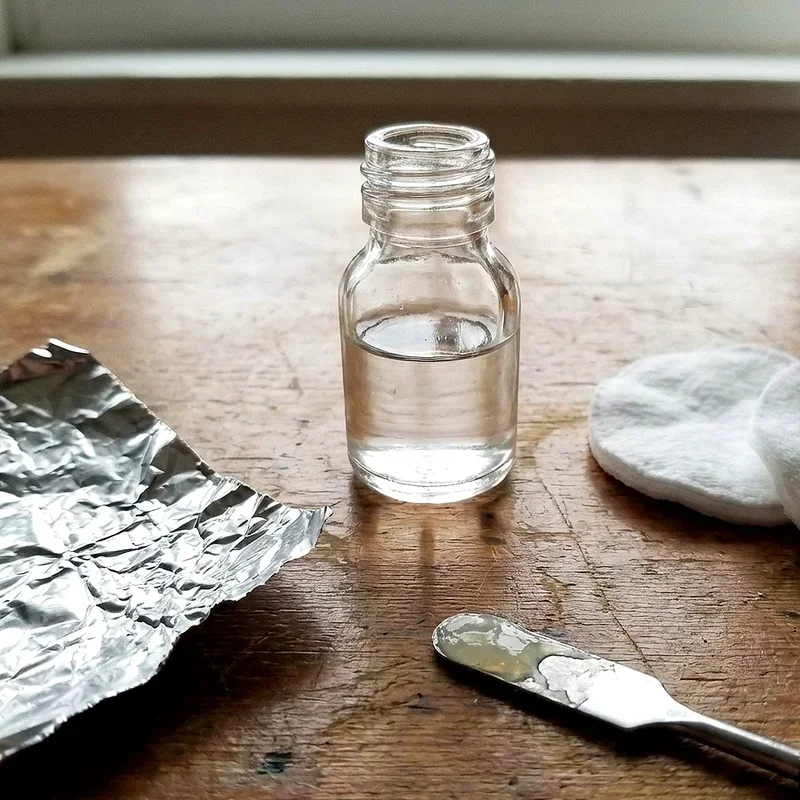
Rubbing alcohol offers another viable option for nail glue removal, sitting somewhere between the gentleness of soapy water and the intensity of pure acetone. Isopropyl alcohol with a concentration of at least 70 percent works best for this purpose. Soak a cotton ball thoroughly in rubbing alcohol, then press it firmly against the glued area. Hold it there for about 30 to 60 seconds, allowing the alcohol to penetrate and start breaking down the adhesive. For stubborn spots, you can actually tape the alcohol-soaked cotton ball to your nail using strips of aluminum foil, creating a mini-soaking wrap. Leave this on for 10 to 15 minutes to give the alcohol time to work its magic. After using alcohol for glue removal, don't skip the moisturizing step. For any remaining residue, grab a fine-grit nail buffer and gently buff the nail surface in one direction. Don't use a back-and-forth sawing motion, as this can create heat and damage your nail plate. The goal here isn't to scrape or grind away the glue aggressively. Rather, you're gradually wearing it down while being mindful not to over-buff your natural nail underneath.
Preventing Damage During the Removal Process
Prevention truly is better than cure when it comes to maintaining healthy nails during glue removal. Following a few key principles can mean the difference between nails that bounce back quickly and nails that need weeks of recovery. First and foremost, never, ever rush the process. I know it's tempting to just rip those press-ons off when you're tired of them, but that five minutes of impatience can lead to weeks of damaged nails. Always allow adequate soaking time, even if it feels like forever. Second, invest in quality tools. A good orange stick, proper nail files, and gentle buffers make the job so much easier and safer. Third, moisturize obsessively throughout the entire process. Before removal, apply cuticle oil. During removal, keep reapplying your chosen solvent or oil. After removal, load up on hand cream and cuticle oil again. Hydration is absolutely crucial for maintaining nail integrity during chemical exposure. Fourth, don't force anything. If the glue isn't budging after adequate soaking, soak longer or try a different method rather than scraping harder. Finally, give your nails a break between applications. If you constantly wear artificial nails without giving your natural nails time to recover, they'll become progressively weaker and more prone to damage during removal.
Post-Removal Nail Care Essentials
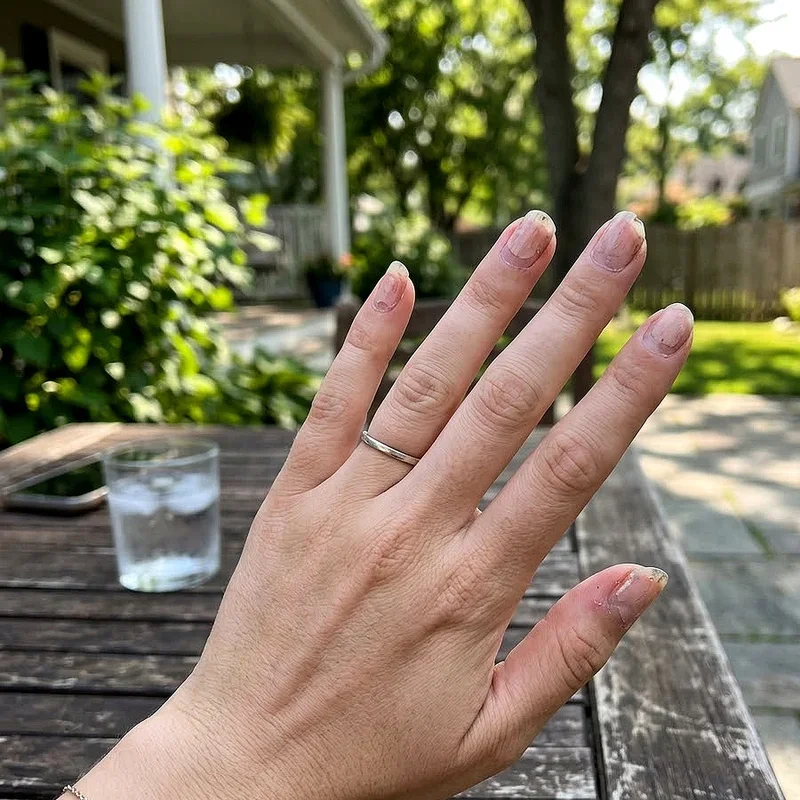
Once you've successfully removed all the nail glue, your work isn't quite done yet. Your nails have just been through a bit of an ordeal, even if you used the gentlest methods possible. Start with a thorough but gentle wash using mild soap and lukewarm water to remove any residual solvents, oils, or glue particles. Now comes the pampering part. Apply a generous amount of cuticle oil to each nail, massaging it into the nail plate, the surrounding skin, and especially into your cuticles. Follow this up with a rich hand cream, paying special attention to your fingertips and the skin around your nails. For the next few days, make nail and cuticle oil your best friend. Apply it multiple times daily, whenever you think about it. Consider using a nail strengthener or a protein-rich base coat once your nails are completely clean and dry. These products create a protective layer while delivering strengthening ingredients to the nail plate. Avoid using dark nail polish immediately after glue removal. Instead, let them breathe for a day or two, or use a clear or light-colored polish if you absolutely must have something on them. Establishing a solid recovery routine helps your nails bounce back faster and stronger.
Common Mistakes to Avoid
Even with the best intentions, people often make mistakes during How to Get Rid of Nail Glue Safely Without Damage that lead to unnecessary problems. The biggest mistake, hands down, is trying to peel or pick off dried nail glue with your fingers or by biting it. This seems harmless in the moment, but it almost always results in layers of your natural nail peeling away along with the glue. Another common error is using metal tools too aggressively. While metal cuticle pushers and nail files have their place, using them with too much force or pressure can gouge your nail surface, creating permanent ridges and weak spots. Many people also make the mistake of not ventilating their workspace when using acetone or other strong solvents. The fumes aren't just unpleasant, they can cause headaches, dizziness, and respiratory irritation if you're exposed to them in an enclosed space. Skipping the moisturizing step afterward is another huge mistake. Solvents strip natural oils from your nails and skin, and if you don't replace that moisture immediately, you'll end up with dry, brittle nails that break easily. Finally, don't repeat the glue application too soon after removal. Give your nails at least a few days to recover between wearing artificial nails, especially if they're showing signs of weakness or damage.
Conclusion
Removing nail glue doesn't have to be a damaging disaster if you approach it with patience and the right techniques. Whether you choose the powerful effectiveness of acetone, the gentle approach of soapy water, or the nourishing benefits of natural oils, prioritizing your nail health makes all the difference. Remember that prevention is key, proper removal is non-negotiable, and post-care is absolutely essential for maintaining beautiful, healthy nails that can handle whatever style you throw at them next.
Read next: How to Fix a Broken Nail Step-by-Step Guide
Frequently Asked Questions
Q1. Can I use regular nail polish remover instead of pure acetone for glue removal?
A: Yes, but pure acetone works faster and more effectively than regular polish remover formulas.
Q2. How long should I wait before reapplying press-on nails after removing old glue?
A: Wait at least 48 to 72 hours to allow your natural nails adequate recovery time.
Q3. Is it normal for my nails to feel thin after removing nail glue?
A: Some thinness is normal temporarily, but excessive thinness indicates over-buffing or improper removal technique.
Q4. Can nail glue cause permanent damage to my natural nails if removed incorrectly?
A: Improper removal can cause lasting damage like ridges, but nails typically recover with proper care.
Q5. What's the best way to strengthen nails damaged from frequent glue use?
A: Use protein-rich treatments, cuticle oil daily, and give nails breaks between artificial nail applications.
Stay up to date with our latest ideas!