Why Do My Nail Beds Hurt After Getting Acrylics?
Wondering why do my nail beds hurt after getting acrylics? Discover the real causes, quick fixes, and tips to protect your nails going forward.
So, you walked out of the nail salon feeling like an absolute queen, right? Fresh acrylics, a flawless color, maybe even a little nail art to top it all off. But then, a few hours later, you notice it. That dull, throbbing ache underneath your nails that just won't quit. Sound familiar? Well, you're definitely not alone. Why do my nail beds hurt after getting acrylics is honestly one of the most Googled nail-related questions out there, and for good reason. A lot of folks assume a little post-acrylic soreness is just part of the deal, but that's not always the case. Sometimes, it's totally normal. Other times, it's your body sending you a signal you shouldn't ignore.
What Actually Happens to Your Nails During the Acrylic Process?
Before we jump into the pain part, it helps to understand what your nail technician is actually doing when they apply acrylics. It's not as simple as gluing on a fake nail, not even close. The process involves filing down the surface of your natural nail to help the acrylic bond properly. Then, a liquid monomer and powder polymer are mixed together and applied directly onto your nail, where it hardens into that tough, durable shell we all know and love.
Here's the kicker: your nail bed is incredibly thin and sensitive. All that filing, pressing, and chemical activity happening right on top of it can absolutely cause some discomfort. It's kind of like sandpapering something delicate and then slapping a hard coating on top. Your nails weren't exactly asking for that kind of treatment, so a little soreness afterward isn't completely out of left field.
Why Do My Nail Beds Hurt After Getting Acrylics? The Main Reasons
Alright, let's get into the nitty-gritty. There are several reasons why your nail beds might be screaming at you post-salon visit. Here's a breakdown of the most common culprits:
Over-Filing of the Natural Nail
This is probably the number one reason people experience pain after getting acrylics. When a nail technician files too aggressively, they can thin out the natural nail plate to the point where it becomes hypersensitive. Your nail bed has nerve endings, and when that protective layer above them gets too thin, even the slightest pressure can feel like a lot. If your tech rushed through the prep work or used a coarse grit file that was too harsh, that soreness you're feeling is basically your nail bed throwing a little fit about being mistreated.
Pressure from the Acrylic Application
When the acrylic mixture is applied and pressed down onto your nail, it creates pressure. For most people, this is barely noticeable. But if your nails are naturally thin or if the acrylic was applied too thickly, that compression can cause the nail bed to ache for hours after you leave the salon. Think of it like wearing a shoe that's just a tad too tight. You might not notice it right away, but by the end of the day? Ouch.
Chemical Sensitivity or Allergic Reaction
Ah, here's one that a lot of people don't think about. The chemicals used in acrylic nails, particularly the monomer liquid, can sometimes cause a reaction in people who are sensitive to them. This isn't super common, but it does happen. If your nail beds are not just sore but also swollen, itchy, or red around the cuticle area, that's a big red flag that your skin might be reacting to the chemicals. In that case, it's not just normal soreness we're talking about. It's more serious, and you'd want to get those acrylics removed sooner rather than later.
Nails Applied Too Tightly or Incorrectly
Sometimes, the nail tips used as the base for acrylics aren't sized properly. If the tip is too small or is glued down with pressure at the wrong angle, it can pinch the nail bed. It might not hurt during the application because you're probably distracted by the fun salon atmosphere and catching up with your tech. But once you're home and the adrenaline of your fresh set wears off? That pinching sensation can turn into a real ache.
Dehydration of the Nail Plate
Before applying acrylics, most nail techs use a dehydrator or primer on the nail. These products strip moisture from the nail plate to help the acrylic stick better. While that's great for adhesion, it can leave the nail plate feeling a bit parched and tender. If you've got naturally dry or brittle nails to begin with, this step can make things a little extra uncomfortable afterward.
Is the Pain Normal or a Warning Sign?
This is the big question, isn't it? Here's the honest truth: a mild, dull ache in the first 24 to 48 hours after getting acrylics is pretty common. Your nails went through a lot, and a bit of sensitivity is your body's way of saying 'hey, we're adjusting over here.' But there's a clear line between normal soreness and something that needs attention.
You should probably be concerned if you notice:
• Pain that gets worse after 48 hours instead of improving
• Visible redness, swelling, or warmth around the nail
• Pus or discharge underneath or around the nail
• A nail that looks like it's separating from the nail bed
• Itching or a rash spreading beyond the nail area
Any of those signs point to something more than just soreness, and you'd be doing yourself a favor by visiting a doctor or dermatologist sooner rather than later. Infections under acrylic nails can get nasty quickly if they're left unchecked.
How Long Should the Pain Last?
Generally speaking, if the discomfort is normal post-acrylic soreness, it should start to fade within 24 hours and be pretty much gone by the 48-hour mark. If you've had a full set done for the first time, you might notice the sensitivity lingers a bit longer since your nails haven't been through this kind of process before. First-timers, listen up: give your nails a couple of days to settle in before you decide something's wrong.
On the other hand, if day three rolls around and you're still wincing every time you tap your nails on a surface, it's time to call your salon or check in with a doctor. Don't just push through and hope for the best. That's how small problems become big ones.
Quick Relief Tips for Sore Nail Beds
Okay, so your nail beds are killing you and you just want some relief. Here are a few things that can actually help:
• Soak your fingertips in cool water for 10 to 15 minutes. Cool temperatures can help reduce inflammation and numb some of that soreness.
• Apply cuticle oil around the edges of your nails. It won't fix the underlying issue, but it can soothe the surrounding skin and make things feel less irritated.
• Take an over-the-counter pain reliever like ibuprofen if the ache is more than just mild. Anti-inflammatories can take the edge off while your nails adjust.
• Avoid doing anything that adds extra pressure to your nails in the first 24 to 48 hours. Heavy lifting, typing aggressively, and opening cans are not your friends right now.
• Keep your hands moisturized. Dry, cracked skin around sore nails just adds insult to injury.
How to Prevent Nail Bed Pain Before Your Next Appointment
Prevention is always better than cure, and thankfully there's quite a bit you can do to make sure your next acrylic experience is a whole lot more comfortable. Here's the game plan:
• Speak up during the appointment. If the filing feels too aggressive or something hurts, say something. A good nail tech will appreciate the feedback and adjust their technique.
• Ask your tech to use a finer grit file during prep. Coarse files are efficient, but they're not always kind to sensitive nail beds.
• Make sure the nail tips being used actually fit your nail width properly. A good tech will size them before applying.
• Strengthen your natural nails between appointments with nail hardeners and regular cuticle oil use. Stronger nails handle the acrylic process better.
• Consider switching to a different formula if you suspect chemical sensitivity. Some salons offer low-odor or EMA-based acrylics that are gentler than traditional MMA formulas.
• Don't go to a salon that rushes the prep process. A proper application takes time, and cutting corners on prep is usually what leads to soreness and damage down the line.
Why Do My Nail Beds Hurt After Getting Acrylics? When to Consider Taking a Break
If you find yourself asking why do my nail beds hurt after getting acrylics every single time you get a new set, that's your body pretty much waving a flag at you. Consistently painful experiences after acrylic applications are a sign that your natural nails may be damaged, overly thinned out, or genuinely not suited for acrylics right now.
Taking a break from acrylics for a few months can do wonders. During that time, focus on strengthening your natural nails with keratin-boosting treatments, biotin supplements, and consistent moisturizing. Once your nails have had a chance to recover and grow out, you'll likely find that your next set of acrylics is a much less painful experience.
It's also worth noting that if you've been wearing acrylics back to back for years without giving your nails a rest, the damage can be cumulative. Your nails might be significantly thinner than they should be, making them extra sensitive to the whole application process. A little patience now can save you a lot of pain later, both literally and figuratively.
The Role of Your Nail Technician in All of This
Let's be real here. Not all nail technicians are created equal. The skill, experience, and care of your nail tech plays a huge role in whether you walk out of the salon feeling fabulous or feeling like you jammed all ten fingers in a car door. A well-trained technician understands nail anatomy, knows how much to file without going overboard, and selects the right products for each client's nail type.
If you've had consistently bad experiences at one salon, it might be time to shop around. Ask friends for recommendations, check reviews online, and don't be shy about asking a potential new tech about their training and how long they've been doing nails professionally. Your nail health is worth the extra effort.
Also, never feel embarrassed to tell your tech that something doesn't feel right during the application. They're there to make you look and feel good, not to cause you pain. A little communication goes a long way.
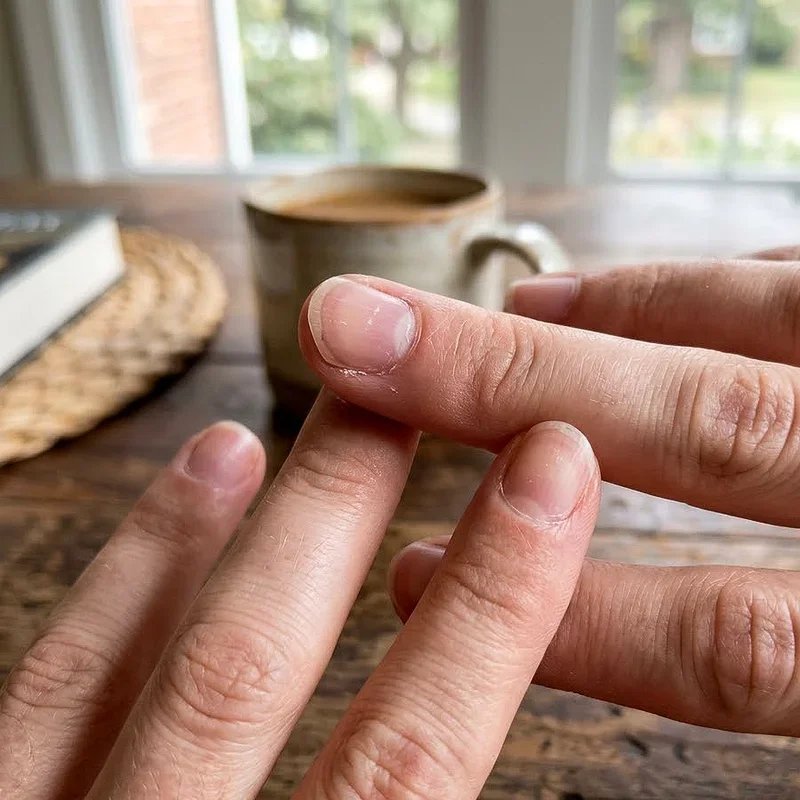
Natural Nail Health and Why It Matters for Acrylics
Here's something that doesn't get talked about enough: the condition of your natural nails before you even sit down in the salon chair matters a ton. If your nails are already brittle, peeling, or damaged from a previous set, you're starting off on the back foot. Applying acrylics on top of already compromised nails is a bit like building a house on a shaky foundation. It might look fine at first, but problems tend to show up pretty quickly.
Taking care of your nails between salon visits isn't just about aesthetics. It directly impacts how comfortable the acrylic application process is and how long your set lasts. Hydrated, healthy nails are more resilient and can handle the chemical and physical stress of acrylics much better than dry, thin ones.
Conclusion
At the end of the day, a little post-acrylic soreness is something a lot of people deal with, but it doesn't have to be your normal. By understanding why do my nail beds hurt after getting acrylics and taking proactive steps before, during, and after your salon visit, you can seriously cut down on the discomfort. Speak up for your nail health, choose your tech wisely, give your nails some TLC between appointments, and trust your gut if something feels off. Your nails deserve the best care you can give them.
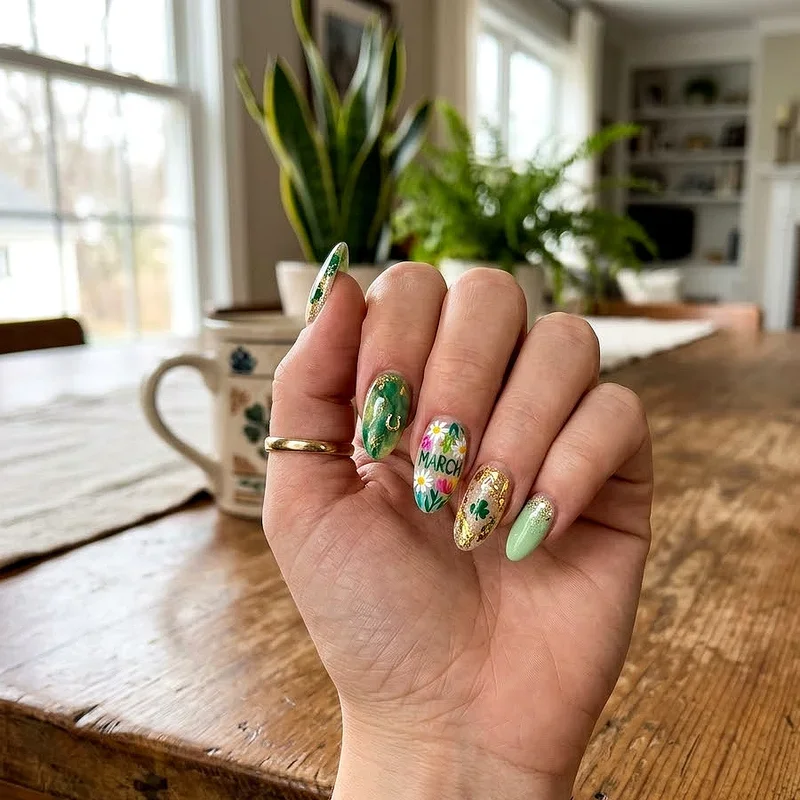
Read next: 15 March Nail Ideas to Welcome Spring in Style
Frequently Asked Questions
Q1. Is it normal for my nail beds to be sore after getting acrylic nails?
A: Yes, mild soreness lasting 24 to 48 hours after acrylics is considered completely normal.
Q2. How long does nail bed pain after acrylics usually last?
A: Most post-acrylic soreness fades within one to two days after your appointment.
Q3. Can I be allergic to acrylic nail products?
A: Yes, some people develop sensitivity to acrylic chemicals, causing redness, swelling, and pain.
Q4. What can I do to relieve sore nail beds at home?
A: Cool water soaks, cuticle oil, and over-the-counter anti-inflammatories can ease the discomfort.
Q5. Should I take a break from acrylics if my nail beds always hurt?
A: Yes, recurring pain signals nail damage; resting for a few months helps your nails recover properly.
Stay up to date with our latest ideas!